Sodium Iodide → 3-Hydroxy-4-propoxybenzaldehyde
Reaction equation

C(=O)([O-])[O-].[K+].[K+].[I-].[Na+].[OH:9][C:10]1[CH:11]=[C:12]([CH:15]=[CH:16][C:17]=1[OH:18])[CH:13]=[O:14].[CH2:19](Br)[CH2:20][CH3:21]>CC(=O)CC.O>[OH:9][C:10]1[CH:11]=[C:12]([CH:15]=[CH:16][C:17]=1[O:18][CH2:19][CH2:20][CH3:21])[CH:13]=[O:14]Participants
7






Procedure
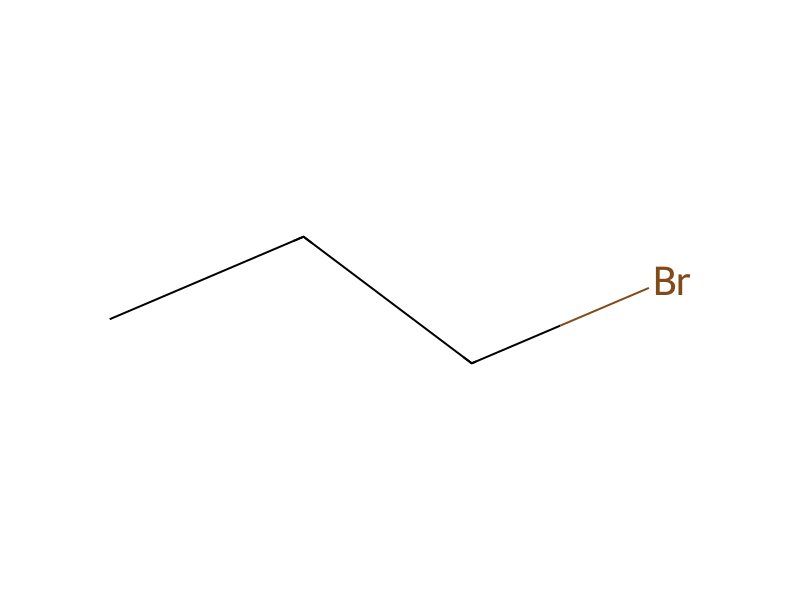
Anhydrous potassium carbonate (1.5 g, 10.8 mmol) and sodium iodide (0.108 g, 0.72 mmol) were added to 3,4-dihydroxybenzaldehyde (1.0 g, 7.2 mmol), in butanone (50 ml), at room temperature. The reaction was stirred for 10 min after which propyl bromide (0.657 ml, 7.2 mmol) was added dropwise and the reaction was refluxed for 3 h. The reaction mixture was diluted with water and the product was extracted with dichloromethane (3×25 ml), the combined organic layers were dried over magnesium sulphate and reduced in vacuo. Purification by column chromatography (SiO2, petroleum:ether (40:60 v/v) with an increasing gradient of ethyl acetate) afforded 0.248 g (22%) of 3-hydroxy-4-propoxybenzaldehyde as an off-white solid.
Workup
- additionwas added dropwise
- temperaturethe reaction was refluxed for 3 h
- extractionthe product was extracted with dichloromethane (3×25 ml)
- dry with materialthe combined organic layers were dried over magnesium sulphate
- customPurification by column chromatography (SiO2, petroleum:ether (40:60 v/v) with an increasing gradient of ethyl acetate)
Sources & evidence
- ORD record
- ord-578e6df33a8f42a788a0800f5c30b230
- Source dataset
- uspto-grants-2006_09
- Patent number
- US07112698B2
Reaction notes
Loading…