Benzene → ethyl 3,3-diphenylacrylate
Reaction equation

[CH:1]1[CH:6]=[CH:5][CH:4]=[CH:3][CH:2]=1.C(OCC)(=O)C=C.C([O-])(=O)C.[Na+].C(CC(=O)C)(=O)C.C(O)(=O)CC.O=O.[C:33]([O:43][CH2:44][CH3:45])(=[O:42])[CH:34]=[CH:35][C:36]1[CH:41]=[CH:40][CH:39]=[CH:38][CH:37]=1>C([O-])(=O)C.[Pd+2].C([O-])(=O)C>[C:1]1([C:35]([C:36]2[CH:37]=[CH:38][CH:39]=[CH:40][CH:41]=2)=[CH:34][C:33]([O:43][CH2:44][CH3:45])=[O:42])[CH:6]=[CH:5][CH:4]=[CH:3][CH:2]=1Participants
9







Procedure
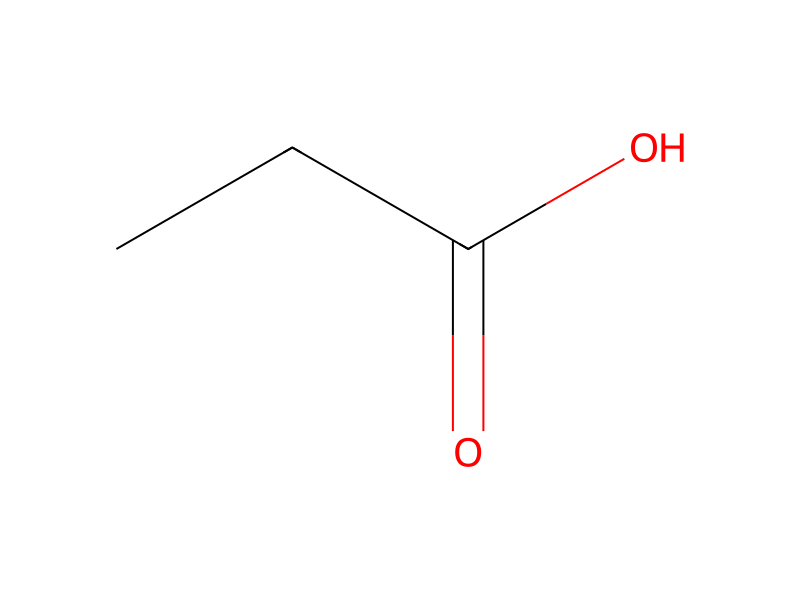
In a flask, 45 mmol of benzene, 3 mmol of ethyl acrylate, 0.03 mmol of palladium(II) acetate, 0.01 mmol of H3PMo12O40, 0.01 mmol of H4PMo11V1O40, 0.08 mmol of sodium acetate, 0.03 mmol of acetylacetone, and 5 ml of propionic acid were placed and were stirred at a constant temperature of 90° C. in an atmosphere of oxygen gas at 1 atm (0.1 MPa) for 12 hours. The resulting reaction mixture was analyzed by gas chromatography to find that ethyl cinnamate and ethyl 3,3-diphenylacrylate were produced in yields of 73% and 8%, respectively.
Workup
- customThe resulting reaction mixture
Sources & evidence
- ORD record
- ord-af0702cb51c942edbc1456c3f950efa6
- Source dataset
- uspto-grants-2008_08
- Patent number
- US07414160B2
Reaction notes
Loading…