Hydrochloric Acid → 4-Hydroxy-4-(pyridin-2-yl)cyclohexanone
Reaction equation

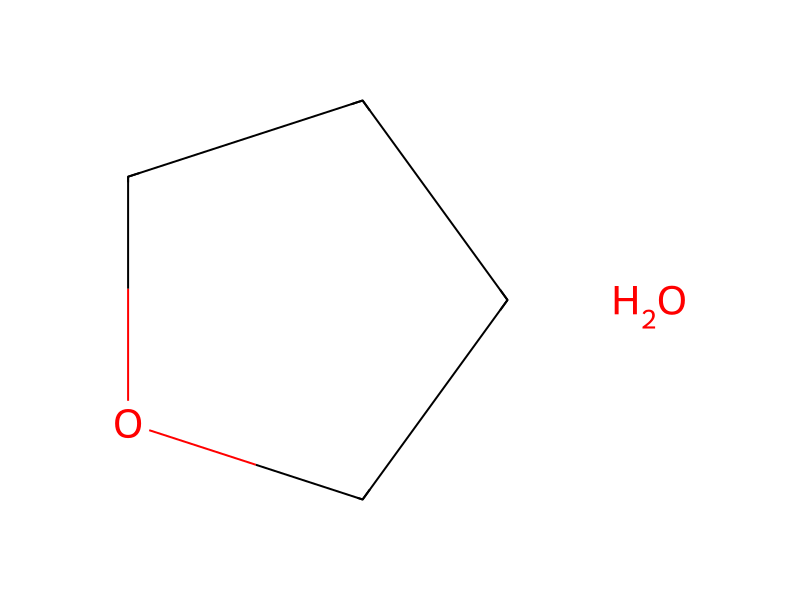
[N:1]1[CH:6]=[CH:5][CH:4]=[CH:3][C:2]=1[C:7]1([OH:17])[CH2:16][CH2:15][C:10]2(OCC[O:11]2)[CH2:9][CH2:8]1.Cl.C(=O)(O)[O-].[Na+]>C1COCC1.O.C(OCC)C>[OH:17][C:7]1([C:2]2[CH:3]=[CH:4][CH:5]=[CH:6][N:1]=2)[CH2:8][CH2:9][C:10](=[O:11])[CH2:15][CH2:16]1Participants
6





Procedure
8-(2-Pyridinyl)-1,4-dioxaspiro[4.5]decan-8-ol (2.70 g) was dissolved in 1:1 THF/H2O (20 mL) then 3N HCl (10 mL) added. Refluxed for 2 hours then stirred overnight at room temperature. Worked up by slowly adding neat sodium bicarbonate until foaming ceased then extracted the mixture 3 times with ethyl acetate. The organic layers were combined, dried (sodium sulfate) and stripped to give an amber oil which solidified. The solids were dissolved in diethyl ether (10 mL). Hexanes (10 mL) were added which precipitated the solids which were then filtered to give 4-hydroxy-4-(pyridin-2-yl)cyclohexanone (680 mg) as a tan solid. MS found: (M+H)+=192.1.
Workup
- temperatureRefluxed for 2 hours
- extractionceased then extracted the mixture 3 times with ethyl acetate
- dry with materialdried (sodium sulfate)
- customto give an amber oil which
- customprecipitated the solids which
- filtrationwere then filtered
Sources & evidence
- ORD record
- ord-2373953906124985b991acae3a0b87c0
- Source dataset
- uspto-grants-2008_05
- Patent number
- US07378409B2
Reaction notes
Loading…