Ammonia → HCID 12051826, compound
Reaction equation

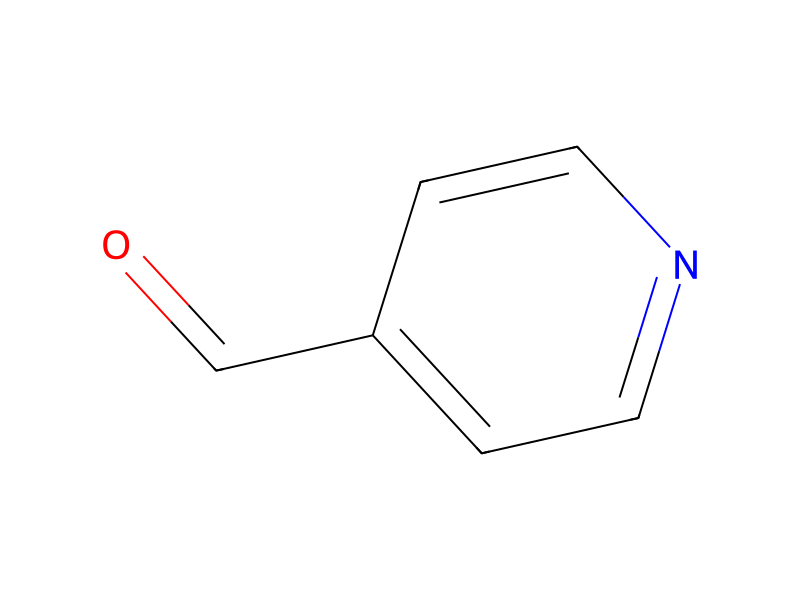
[N:1]1[C:10]2[C:5](=[CH:6][CH:7]=[CH:8][CH:9]=2)[C:4]([CH:11]=O)=[CH:3][CH:2]=1.[N:13]1[CH:18]=[CH:17][C:16]([CH:19]=O)=[CH:15][CH:14]=1.[CH3:21][C:22](=[O:27])[CH2:23][C:24](=O)[CH3:25].[NH3:28]>CCO>[C:22]([C:23]1[C:24]([CH3:25])=[C:11]([C:4]2[C:5]3[C:10](=[CH:9][CH:8]=[CH:7][CH:6]=3)[N:1]=[CH:2][CH:3]=2)[NH:28][C:19]=1[C:16]1[CH:15]=[CH:14][N:13]=[CH:18][CH:17]=1)(=[O:27])[CH3:21]Participants
6
Reactant 4



Product 1

Reagents, catalysts & solvents 1

Procedure
To a stirred solution of 4-quinolinecarboxaldehyde (2.3 g; 14.8 mmol), 4-pyridinecarboxaldehyde (1.6 g ; 14.8 mmol) in EtOH (40 mL) was added 2,4-pentanedione (2 g; 20 mmol) and 25% aqueous ammonia solution (8 ml) at room temperature. The mixture was heated at reflux temperature for 18 hours. After cooling, volatiles were removed by evaporation. Chromatographic purification of the residue on silica gel eluting with CH2Cl2—EtOH (20:1→8:1) provided 1.1 g, which was recrystallized from EtOH to afford the title compound (0.82 g, 17% yield) as a pale yellow solid.
Workup
- temperatureThe mixture was heated
- temperatureat reflux temperature for 18 hours
- temperatureAfter cooling
- customvolatiles were removed by evaporation
- customChromatographic purification of the residue on silica gel eluting with CH2Cl2—EtOH (20:1→8:1)
- customprovided 1.1 g, which
- customwas recrystallized from EtOH
Sources & evidence
- ORD record
- ord-514bd19bad5b465ba786a94e26d96f07
- Source dataset
- uspto-grants-2002_07
- Patent number
- US06417202B1
Reaction notes
Loading…