Ammonium Chloride → 3-(3-Quinolyl)-2-Propyn-1-ol Diisopropyl Carbamate
Reaction equation

[N:1]1[C:10]2[C:5](=[CH:6][CH:7]=[CH:8][CH:9]=2)[CH:4]=[C:3]([C:11]#[C:12][CH2:13][OH:14])[CH:2]=1.CC(C)([O-])C.[K+].[CH:21]([N:24]([CH:28]([CH3:30])[CH3:29])[C:25](Cl)=[O:26])([CH3:23])[CH3:22].[NH4+].[Cl-]>C1COCC1.CC(OC)(C)C>[CH:21]([N:24]([CH:28]([CH3:30])[CH3:29])[C:25]([O:14][CH2:13][C:12]#[C:11][C:3]1[CH:2]=[N:1][C:10]2[C:5]([CH:4]=1)=[CH:6][CH:7]=[CH:8][CH:9]=2)=[O:26])([CH3:23])[CH3:22]Participants
7
Reactant 4




Product 1

Reagents, catalysts & solvents 2

Conditions
- Temperature
- 0 °C
Procedure
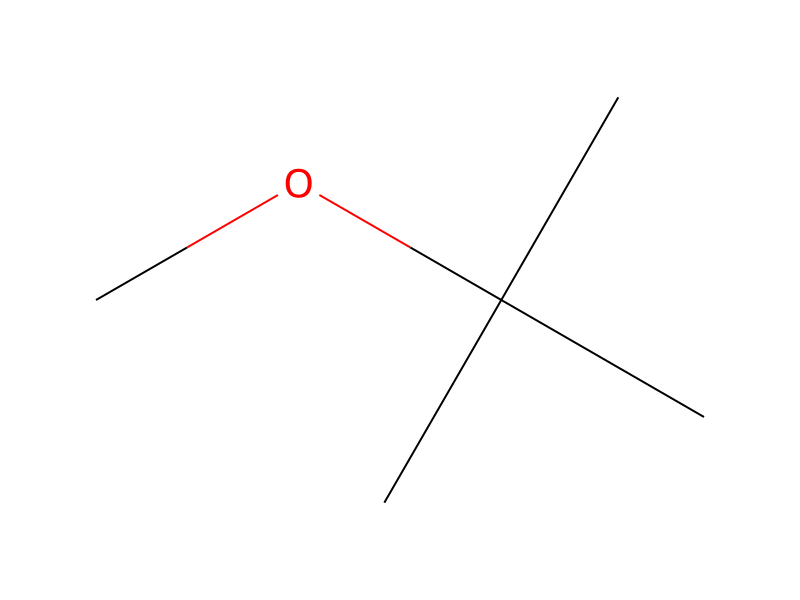
To a dry three-necked round-bottom flask equipped with nitrogen inlet and overhead stirrer was charged 3-(3-quinolyl)-2-propyn-1-ol (2 g, 10.8 mmol) (Scheme 1, Compound (3)) in THF (20 ml) and the solution was cooled to 0° C. Potassium t-butoxide (1.34 g, 11.9 mmol) was then added followed by diisopropylcarbamoyl chloride (1.65 g, 11.9 mmol). The mixture was stirred for 2 h at 0° C. and then allowed to warm up to room temperature over a period of 6 hours by which time the reaction was determined to be complete. The reaction mixture was worked up with MTBE (50 ml) and 10% NH4Cl (25 ml) and was concentrated to an orange oil. Yield=3.3 g(100%)
Workup
- customTo a dry three-necked round-bottom flask equipped with nitrogen inlet
- temperatureto warm up to room temperature over a period of 6 hours by which time the reaction
- concentrationwas concentrated to an orange oil
Sources & evidence
- ORD record
- ord-ef471d9aebb84d42aaf00b04f548fd73
- Source dataset
- uspto-grants-2002_07
- Patent number
- US06417366B2
Reaction notes
Loading…