Potassium Carbonate → Ethyl imidazo[1,2-a]pyridine-2-carboxylate
Reaction equation

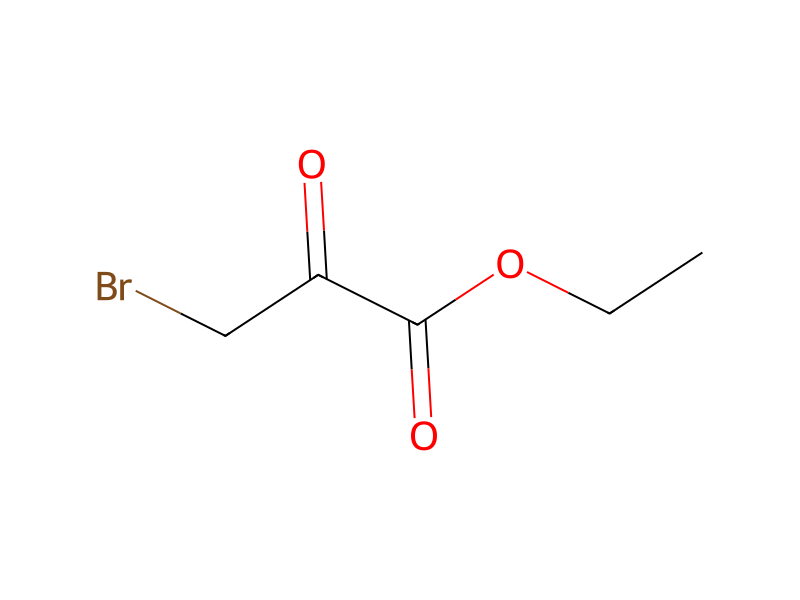
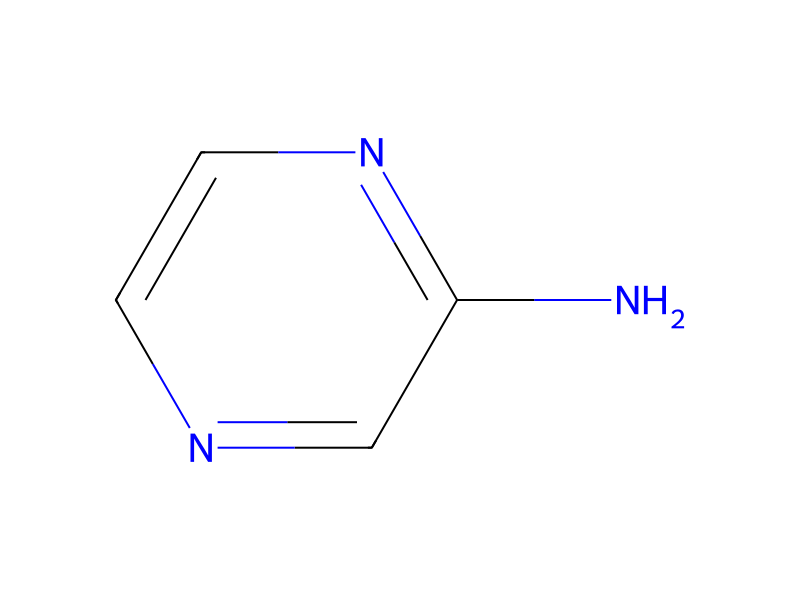
Br[CH2:2][C:3](=O)[C:4]([O:6][CH2:7][CH3:8])=[O:5].[NH2:10][C:11]1[CH:16]=N[CH:14]=[CH:13][N:12]=1.[C:17](=O)([O-])[O-].[K+].[K+]>C(O)C>[N:10]1[C:3]([C:4]([O:6][CH2:7][CH3:8])=[O:5])=[CH:2][N:12]2[CH:13]=[CH:14][CH:17]=[CH:16][C:11]=12Participants
5
Reactant 3

Product 1

Reagents, catalysts & solvents 1

Procedure
A solution of 7.8 g (40 mmol) of ethyl bromopyruvate and in 40 mL of ethanol is treated with 3.76 g (30.0 mmol) of 2-aminopyrazine and heated to reflux temperature for 16 hr. The reaction mixture is cooled to room temperature and treated with 10 g of potassium carbonate. The mixture is filtered through Celite and the solvent removed in vacuo to yield the crude material. The resulting residue is flash chromatographed with initially 1% methanol in dichloromethane to afford 3.5 g (46%) ethyl imidazolo[1,2-a]pyridine-2-carboxylate.
Workup
- temperatureheated
- temperatureto reflux temperature for 16 hr
- filtrationThe mixture is filtered through Celite
- customthe solvent removed in vacuo
- customto yield the crude material
- customchromatographed with initially 1% methanol in dichloromethane
Sources & evidence
- ORD record
- ord-2aa0eb41a0174585ba1c422b9ae300ed
- Source dataset
- uspto-grants-2002_07
- Patent number
- US06420365B1
Reaction notes
Loading…