1-Bromonaphthalene → 1,1-Diethoxy-1,2-dihydrocyclobuta[a]naphthalene
Reaction equation

[NH2-].[Na+].O1CCCC1.Br[C:9]1[C:18]2[C:13](=[CH:14][CH:15]=[CH:16][CH:17]=2)[CH:12]=[CH:11][CH:10]=1.[CH2:19]([O:21][C:22]([O:24][CH2:25][CH3:26])=[CH2:23])[CH3:20]>O.CCOCC>[CH2:19]([O:21][C:22]1([O:24][CH2:25][CH3:26])[C:9]2=[C:18]3[C:13](=[CH:12][CH:11]=[C:10]2[CH2:23]1)[CH:14]=[CH:15][CH:16]=[CH:17]3)[CH3:20]Participants
7






Procedure
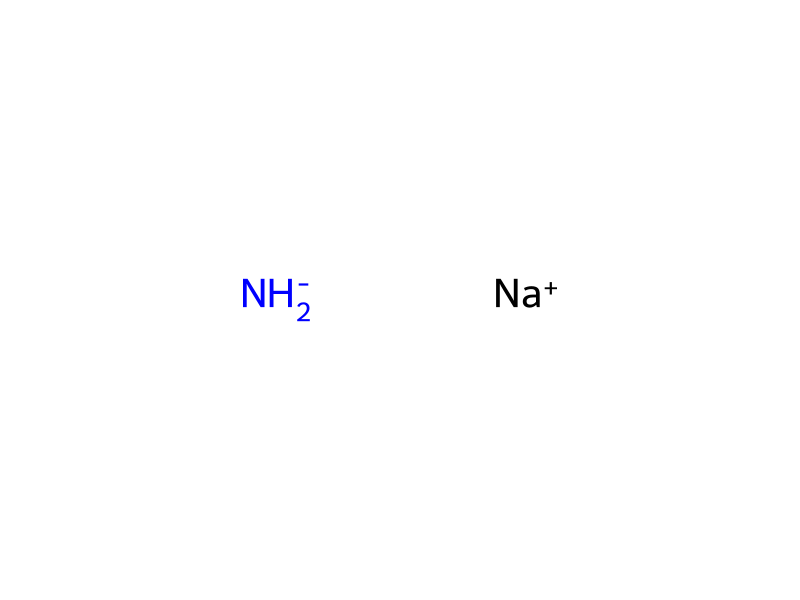
9.4 g of sodium amide are introduced into 350 ml of tetrahydrofuran. 25.9 g of 1-bromonaphthalene and 28 g of freshly prepared 1,1-diethoxyethylene are poured in succession into that mixture. The reaction mixture is refluxed for 16 hours and than taken up in water and ether. After washing the organic phase to neutral pH and drying thereof, the expected product is isolated and chromatographed over silica gel (dichloromethane/cyclohexane: 1/1).
Workup
- temperatureThe reaction mixture is refluxed for 16 hours
- washAfter washing the organic phase to neutral pH
- customdrying
Sources & evidence
- ORD record
- ord-1b0510dcb64a474a98ea830319b4c1d8
- Source dataset
- uspto-grants-2002_07
- Patent number
- US06420413B2
Reaction notes
Loading…