Hydrochloric Acid → HCID 86584203, compound
Reaction equation

[C:1]1(C)[CH:6]=[CH:5][CH:4]=[CH:3][CH:2]=1.[CH:8]1[CH2:13]CC=[CH:10][CH:9]=1.C=CC=C.Cl>CO>[CH:6]1[CH2:5][CH2:4][CH:3]=[CH:2][CH:1]=1.[CH2:13]=[CH:8][CH:9]=[CH2:10]Participants
Reactant 4



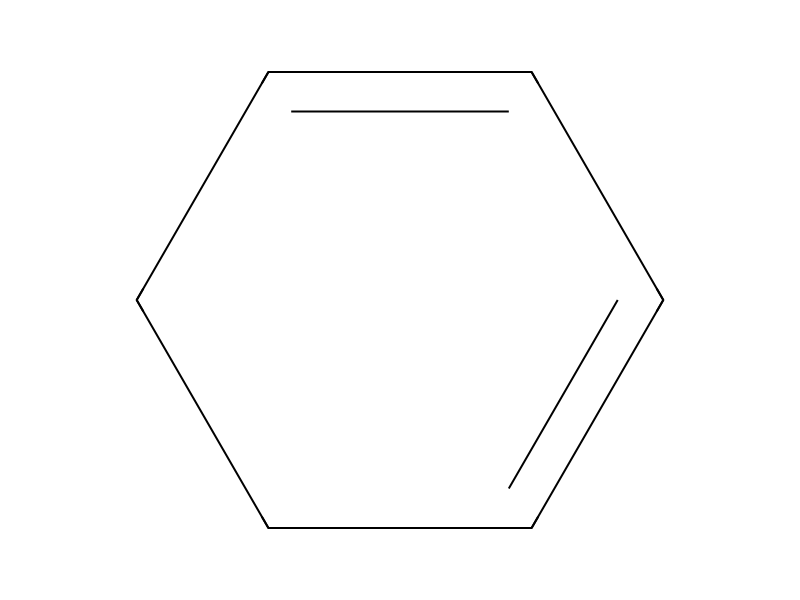
Product 1

Reagents, catalysts & solvents 1

Procedure
The catalyst B (18 mg, 0.1 mmol) previously synthesized was dissolved into 15 ml of toluene at room temperature under an argon atmosphere in a Schlenck tube, and then 1.8 ml of a toluene solution (aluminum: 10 atomic %) of methyl aluminoxane which is a co-catalyst was added thereto so as to adjust a catalyst solution. In the meantime, 1,3-cyclohexadiene (8 g, 0.1 mol) and butadiene (10.8 g, 0.2 mol) as monomers were dissolved into 15 ml of toluene at room temperature under an argon atmosphere. While this solution was kept to room temperature and was stirred, the total amount thereof was added to the total amount of the above-mentioned catalyst solution. Polymerization advanced promptly and the reaction finished within 30 minutes. A slurry containing the produced polymer was added to a great deal of methanol acidified with hydrochloric acid to precipitate and isolate the polymer. Methanol was then removed by filtration. The resultant was vacuum-dried at room temperature for 24 hours to obtain a cyclohexadiene-butadiene copolymer. The yield of the polymer was 88%.
Workup
- additionwas added
- customwas kept to room temperature
- additionthe total amount thereof was added to the total amount of the above-mentioned catalyst solution
- customPolymerization
- additionA slurry containing the produced polymer
- customto precipitate
- customisolate the polymer
- customMethanol was then removed by filtration
- customThe resultant was vacuum-dried at room temperature for 24 hours
Sources & evidence
- ORD record
- ord-c4a381986ecd4beaa521d5e6c8abc394
- Source dataset
- uspto-grants-2002_07
- Patent number
- US06426396B2
Reaction notes
Loading…