Hydrochloric Acid → HCID 86584203, compound
Reaction equation

[C:1]1(C)[CH:6]=[CH:5][CH:4]=[CH:3][CH:2]=1.[CH2:8]=[CH:9][CH:10]=[CH2:11].CO.Cl>C1CCC=CC=1.C([Ni](Br)CC=C)C=C>[CH:6]1[CH2:5][CH2:4][CH:3]=[CH:2][CH:1]=1.[CH2:8]=[CH:9][CH:10]=[CH2:11]Participants





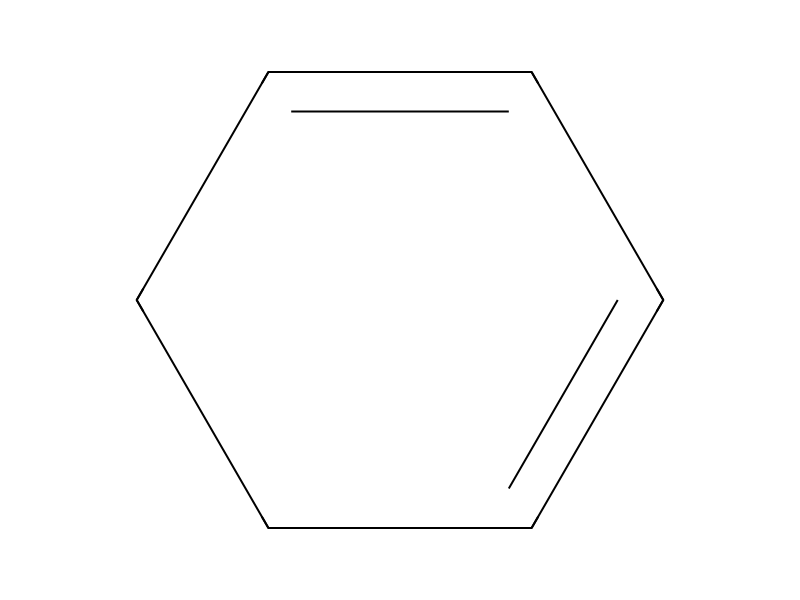
Procedure
In a glove box, 18 mg of bisallyl nickel bromide (the catalyst B), 0.58 g of methylaluminoxane, and 15 g of toluene were mixed at room temperature under an argon atmosphere to adjust a catalyst solution. In the meantime, 8 g of 1,3-cyclohexadiene and 10 g of butadiene, as monomers, were dissolved into 15 g of toluene at room temperature under an argon atmosphere in a glove box. While this solution was kept to room temperature and was stirred, the total amount thereof was added to the total amount of the above-mentioned catalyst solution. Polymerization advanced promptly, and the reaction finished within 30 minutes. A slurry of the produced polymer was taken out from the glove box and added to a great deal of methanol acidified with hydrochloric acid to precipitate and isolate the polymer. Methanol was then removed by filtration. The resultant was vacuum-dried at room temperature for 24 hours to obtain 16 g of a cyclohexadiene-butadiene copolymer.
Workup
- customwas kept to room temperature
- additionthe total amount thereof was added to the total amount of the above-mentioned catalyst solution
- customPolymerization
- customto precipitate
- customisolate the polymer
- customMethanol was then removed by filtration
- customThe resultant was vacuum-dried at room temperature for 24 hours
Sources & evidence
- ORD record
- ord-92540118fd3349afad6e4fa9f86658a3
- Source dataset
- uspto-grants-2002_07
- Patent number
- US06426396B2
Reaction notes
Loading…