Diethylamine → HCID 13769195, compound
Reaction equation

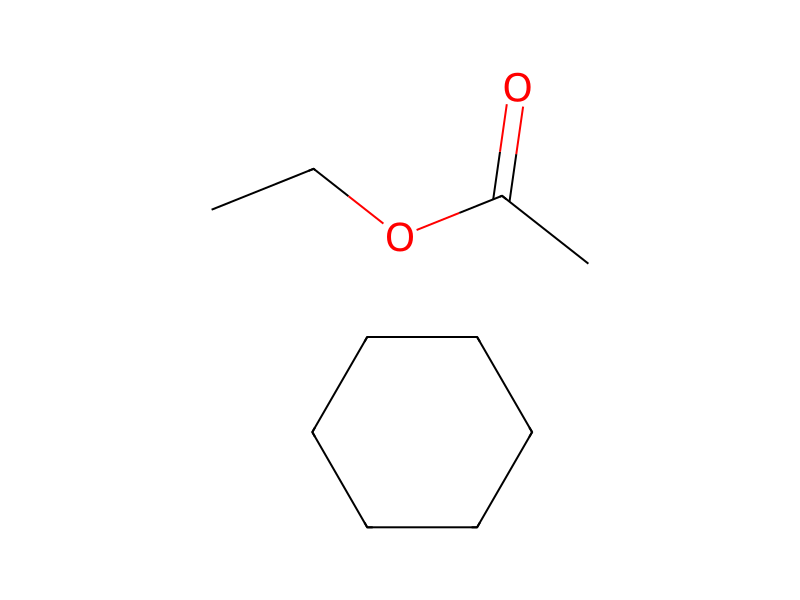
[C:1]1([C:7]2[CH:16]=[C:15]([O:17][CH2:18][CH2:19][C:20]([OH:22])=O)[C:14]3[C:9](=[CH:10][CH:11]=[CH:12][CH:13]=3)[N:8]=2)[CH:6]=[CH:5][CH:4]=[CH:3][CH:2]=1.S(Cl)(Cl)=O.C1CCCCC1.C(OCC)(=O)C.[CH2:39]([NH:41][CH2:42][CH3:43])[CH3:40]>C(Cl)(Cl)Cl>[CH2:39]([N:41]([CH2:42][CH3:43])[C:20](=[O:22])[CH2:19][CH2:18][O:17][C:15]1[C:14]2[C:9](=[CH:10][CH:11]=[CH:12][CH:13]=2)[N:8]=[C:7]([C:1]2[CH:2]=[CH:3][CH:4]=[CH:5][CH:6]=2)[CH:16]=1)[CH3:40]Participants
6
Reactant 4



Product 1

Reagents, catalysts & solvents 1

Procedure
The procedure is as in Example 44, but starting with 3-[(2-phenyl-4-quinolyl)oxy]propanic acid (1.25 g), thionyl chloride (1.25 cc) in chloroform (100 cc) and diethylamine (2.66 cc). After chromatography of the residue on silica gel using the eluant cyclohexane/ethyl acetate (50:50 by volume), N,N-diethyl-3-[(2-phenyl-4-quinolyl)oxy]propanamide (0.43 g), m.p. 94° C., is isolated.
Sources & evidence
- ORD record
- ord-59239f284ad94e3ab9dcf2804b21f3e8
- Source dataset
- uspto-grants-1988_11
- Patent number
- US04788204
Reaction notes
Loading…