3,4-dihydro-2H-pyran → HCID 21284014, compound
Reaction equation

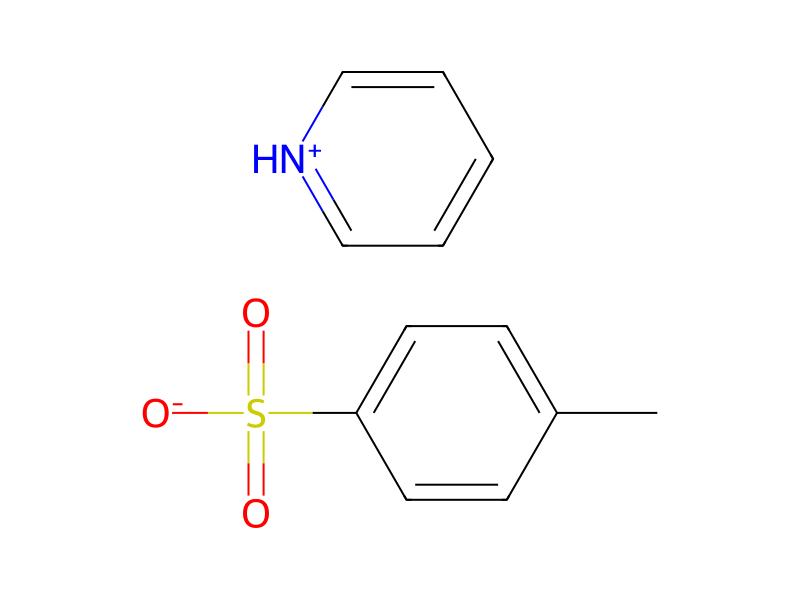
[Br:1][CH2:2][CH:3]([OH:13])[CH2:4][C:5]([NH:7][CH2:8][C:9]([O:11][CH3:12])=[O:10])=[O:6].C1(C)C=CC(S([O-])(=O)=O)=CC=1.[NH+]1C=CC=CC=1.[O:31]1[CH:36]=[CH:35][CH2:34][CH2:33][CH2:32]1>C(Cl)Cl>[Br:1][CH2:2][CH:3]([O:13][CH:32]1[CH2:33][CH2:34][CH2:35][CH2:36][O:31]1)[CH2:4][C:5]([NH:7][CH2:8][C:9]([O:11][CH3:12])=[O:10])=[O:6]Participants
5




Procedure
To a solution of 300 mg methyl 2-(4-bromo-3-hydroxybutanamido)acetate in 50 ml methylene chloride are added 30 mg pyridinium p-toluenesulphonate and 1 ml dihydropyran. After stirring at ambient temperature for 20 h, the solvent is evaporated in vacuo and the residue chromatographed on silica, eluting with ether. A colourless oil is obtained in 92% yield, Rf 0.33 (silica gel plates, thickness 0.25, eluent diethyl ether).
Workup
- customthe solvent is evaporated in vacuo
- customthe residue chromatographed on silica
- washeluting with ether
- customA colourless oil is obtained in 92% yield, Rf 0.33 (silica gel plates, thickness 0.25, eluent diethyl ether)
Sources & evidence
- ORD record
- ord-5be31e93dcb7427c9178de858c733895
- Source dataset
- uspto-grants-1988_11
- Patent number
- US04788300
Reaction notes
Loading…