Oxalic Acid → 3-Pentyl-2-octenal
Reaction equation

[CH3:1][CH2:2][CH2:3][CH2:4][CH2:5][C:6](=O)[CH2:7][CH2:8][CH2:9][CH2:10][CH3:11].C(NC(C)C)(C)C.C([Li])CCC.[C:25](O)(=O)[C:26](O)=[O:27]>CCCCCC.C(N=CC)(C)(C)C.ClP(=O)(OCC)OCC.O1CCCC1>[CH2:5]([C:6]([CH2:7][CH2:8][CH2:9][CH2:10][CH3:11])=[CH:25][CH:26]=[O:27])[CH2:4][CH2:3][CH2:2][CH3:1]Participants
9
Reactant 4
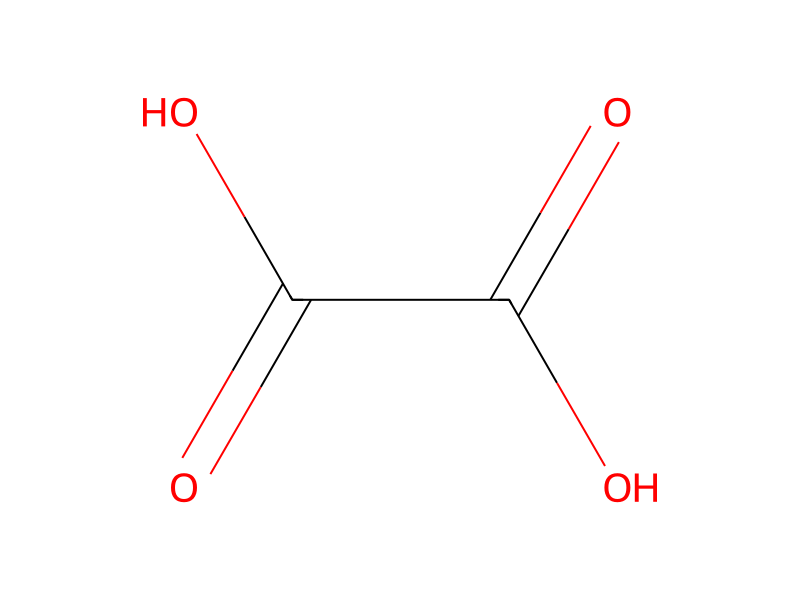



Product 1

Reagents, catalysts & solvents 4




Procedure
The compound was prepared according to the procedure described in Example 84 except that the reaction was worked up after 3 days. The following reagents were used: 6-undecanone (17 g), diisopropylamine (32.2 mL), 1.6M n-butyl lithium in hexane (143 mL), acetaldehyde N-tert-butylimine (14.75 mL), diethyl chlorophosphonate (16.6 mL) and tetrahydrofuran (200 mL). The work up, varied only in that the oxalic acid catalyzed hydrolysis was run overnight at room temperature, gave the crude aldehyde which was purified by HPLC (ether-hexane; 1:16.6) to yield 15.5 g of 3-pentyl-2-octenal as an oil.
Workup
- customThe compound was prepared
- customhydrolysis
- waitwas run overnight at room temperature
- customgave the crude aldehyde which
- customwas purified by HPLC (ether-hexane; 1:16.6)
Sources & evidence
- ORD record
- ord-cbfc25ee0a184561bec27c2dad2912bf
- Source dataset
- uspto-grants-1988_11
- Patent number
- US04788206
Reaction notes
Loading…