Formaldehyde → 5-Ethylgramine
Reaction equation

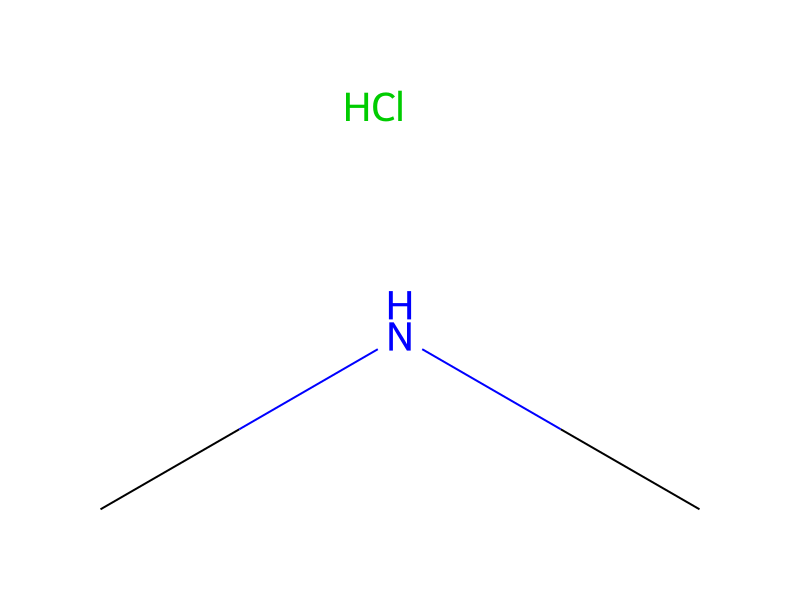
[CH2:1]([C:3]1[CH:4]=[C:5]2[C:9](=[CH:10][CH:11]=1)[NH:8][CH:7]=[CH:6]2)[CH3:2].Cl.[CH3:13][NH:14][CH3:15].[CH2:16]=O>C(O)(C)C>[CH2:1]([C:3]1[CH:4]=[C:5]2[C:9](=[CH:10][CH:11]=1)[NH:8][CH:7]=[C:6]2[CH2:13][N:14]([CH3:16])[CH3:15])[CH3:2]Participants
5
Reactant 3


Product 1

Reagents, catalysts & solvents 1

Procedure
5-Ethylindole 10 (1.0 g, 6.89 mmol) was combined with isopropyl alcohol (200 mL), N,N-dimethylamine hydro chloride (718 mg, 6.95 mmol) and aqueous formaldehyde (37%, 589 mg, 6.95 mmol) and heated at reflux for 2 hours. The reaction mixture was allowed to cool to room temperature, the solvent was evaporated and the resulting residue was dissolved in EtOAc and washed with saturated NaHCO3. The organic layer was dried over MgSO4 filtered and evaporated to give compound 11 as a solid in (1.35 g for a 97% yield; M+1=203.2)
Workup
- temperatureheated
- temperatureat reflux for 2 hours
- customthe solvent was evaporated
- dissolutionthe resulting residue was dissolved in EtOAc
- washwashed with saturated NaHCO3
- dry with materialThe organic layer was dried over MgSO4
- filtrationfiltered
- customevaporated
Sources & evidence
- ORD record
- ord-0fba345823564a9bbf5afeddb8469c73
- Source dataset
- uspto-grants-2010_05
- Patent number
- US07723374B2
Reaction notes
Loading…