Benzimidazole → Pantoprazole
Reaction equation

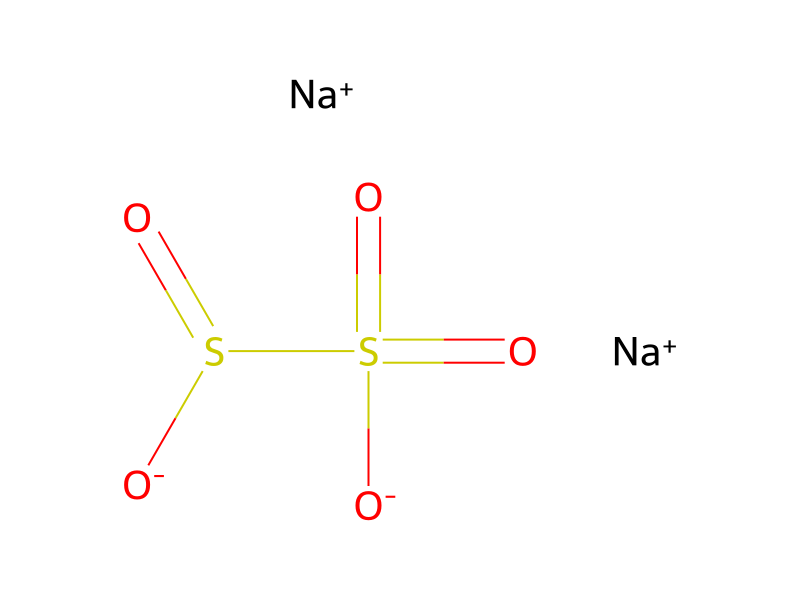
[F:1][CH:2]([F:25])[O:3][C:4]1[CH:24]=[CH:23][C:7]2[NH:8][C:9]([S:11][CH2:12][C:13]3[C:18]([O:19][CH3:20])=[C:17]([O:21][CH3:22])[CH:16]=[CH:15][N:14]=3)=[N:10][C:6]=2[CH:5]=1.N1C2C=CC=CC=2NC=1.[O-]Cl.[Na+].[OH-].[Na+].S(S([O-])=O)([O-])(=O)=[O:41].[Na+].[Na+]>O1CCCC1.C(#N)C.O.C(O)(C)C.C(O)C.CO>[CH3:22][O:21][C:17]1[CH:16]=[CH:15][N:14]=[C:13]([CH2:12][S+:11]([O-:41])[C:9]2[NH:8][C:7]3[CH:23]=[CH:24][C:4]([O:3][CH:2]([F:1])[F:25])=[CH:5][C:6]=3[N:10]=2)[C:18]=1[O:19][CH3:20]Participants
Reactant 5




Product 1

Reagents, catalysts & solvents 6






Procedure
Chlorinated pantoprazole derivatives IV and V can be produced by reaction of 5-(difluoromethoxy)-2-[[(3,4-dimethoxy-2-pyridinyl) methyl]thio]-1H-benzimidazole with NaOH and about 3 to about 5 molar equivalents of NaOCl under conditions especially developed to produce these derivatives. Those conditions include admixing 5-(difluoromethoxy)-2-[[(3,4-dimethoxy-2-pyridinyl) methyl]thio]-1H-benzimidazole compound VI with a quantity of NaOCl of about 3 to about 5, preferably about 1.5 to about 2.5 molar equivalents and a quantity of NaOH of about 1.5 to about 2.5 molar equivalents. Preferred relative quantities of these reagents are about 1.8 molar equivalents of each with respect to benzimidazole VI. Compound VI, NaOCl and NaOH are admixed in a water miscible protic solvent, such as methanol, ethanol and i-propanol, or water miscible aprotic solvent such as acetonitrile and tetrahydrofuran. The reaction is conducted at ambient or elevated temperature, preferably ambient temperature. In all other respects, the reaction conditions can be the same as those of the process previously described for oxidizing 2-[(pyridinyl)methyl]thio-substituted benzimidazoles selectively to 2-[(pyridinyl)methyl]sulfinyl-substituted benzimidazoles. After completing the reaction, the mixture is treated with aqueous sodium metabisulfite to pH 8.5 and stirred at room temperature for 1 hour. The two phases from the resulting reaction are separated, and the solvent is evaporated with vacuum. Isolation of compounds IV and V can be performed by chromatography. Compounds IV and V will be produced in mixture with pantoprazole. In fact, pantoprazole may be the major product.
Workup
- customto produce these derivatives
- customelevated temperature, preferably ambient temperature
- customIn all other respects, the reaction conditions
- customthe reaction
- customThe two phases from the resulting reaction
- customare separated
- customthe solvent is evaporated with vacuum
Sources & evidence
- ORD record
- ord-73b9959bb51d4e008bf79fb5ead4a505
- Source dataset
- uspto-grants-2010_03
- Patent number
- US07683177B2
Reaction notes
Loading…