Methanol → 2-(Methylamino)-2-oxoethyl 4-(6-bromo-3-pyridyl)-1-piperazinecarboxylate
Reaction equation

[Br:1][C:2]1[N:7]=[CH:6][C:5]([N:8]2[CH2:13][CH2:12][N:11]([C:14]([O:16][CH2:17][C:18]([O:20]CC)=O)=[O:15])[CH2:10][CH2:9]2)=[CH:4][CH:3]=1.[CH3:23][NH2:24].ClCCl.CO>O1CCCC1>[Br:1][C:2]1[N:7]=[CH:6][C:5]([N:8]2[CH2:9][CH2:10][N:11]([C:14]([O:16][CH2:17][C:18]([NH:24][CH3:23])=[O:20])=[O:15])[CH2:12][CH2:13]2)=[CH:4][CH:3]=1Participants
6





Procedure
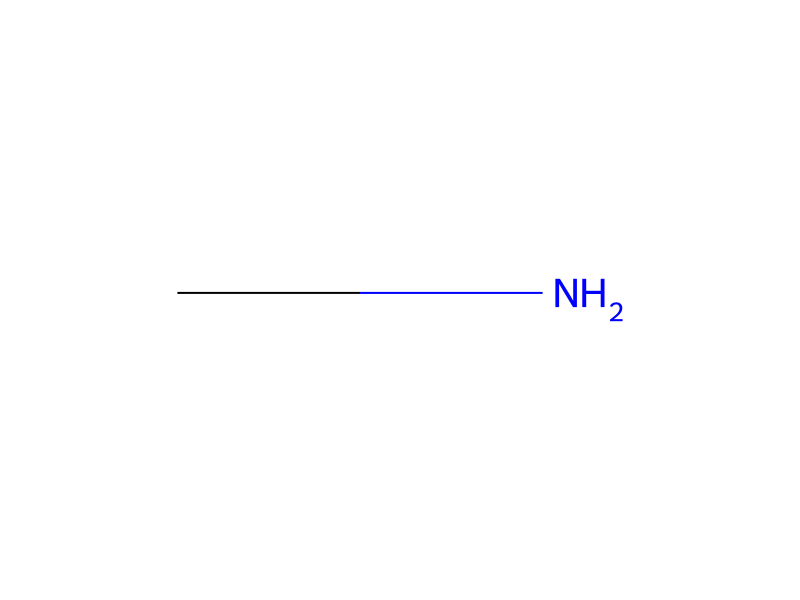
The procedure described in Example 1 (step 1.4.) is used. Starting with 2.35 g (6.32 mmol) of 2-(ethyloxy)-2-oxoethyl 4-(6-bromo-3-pyridyl)-1-piperazinecarboxylate, obtained in step 7.4. of Example 7, and 15.80 ml (31.61 mmol) of a solution of methylamine (2M) in tetrahydrofuran, and after chromatography on silica gel, eluting with a 98/2 and then 97/3 mixture of dichloromethane and methanol, 1.779 g of product are obtained in the form of a white solid.
Workup
- customobtained in step 7.4
- customare obtained in the form of a white solid
Sources & evidence
- ORD record
- ord-57faa8e429964376bc0aeaf7e6569617
- Source dataset
- uspto-grants-2010_03
- Patent number
- US07687503B2
Reaction notes
Loading…