Dimethyl Sulfide → 3-Hydroxy-4-methylbenzaldehyde
Reaction equation

[OH:1][C:2]1[CH:3]=[C:4]([CH:8]=[CH:9][C:10]=1[CH3:11])[C:5](O)=[O:6].B.CSC.[Cr](O[Cr]([O-])(=O)=O)([O-])(=O)=O.[NH+]1C=CC=CC=1.[NH+]1C=CC=CC=1>C1COCC1>[OH:1][C:2]1[CH:3]=[C:4]([CH:8]=[CH:9][C:10]=1[CH3:11])[CH:5]=[O:6]Participants
Reactant 4


Product 1

Reagents, catalysts & solvents 1

Procedure
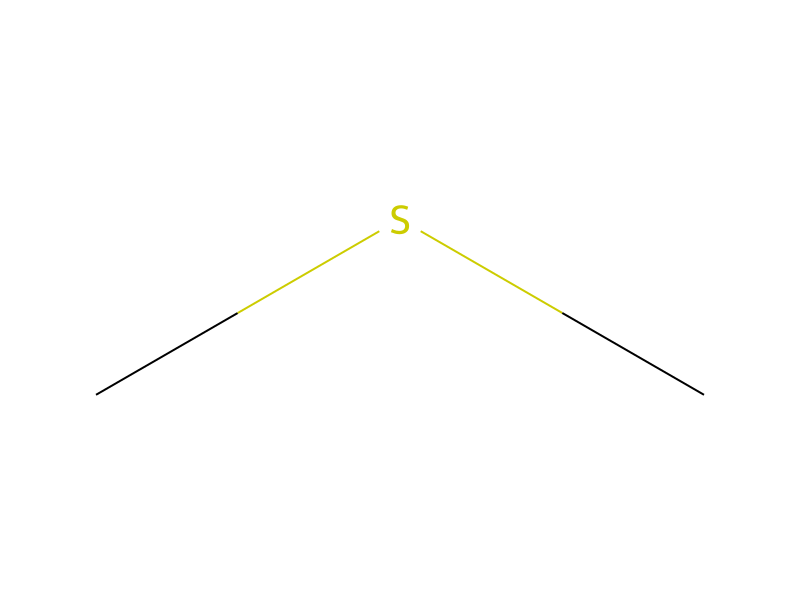
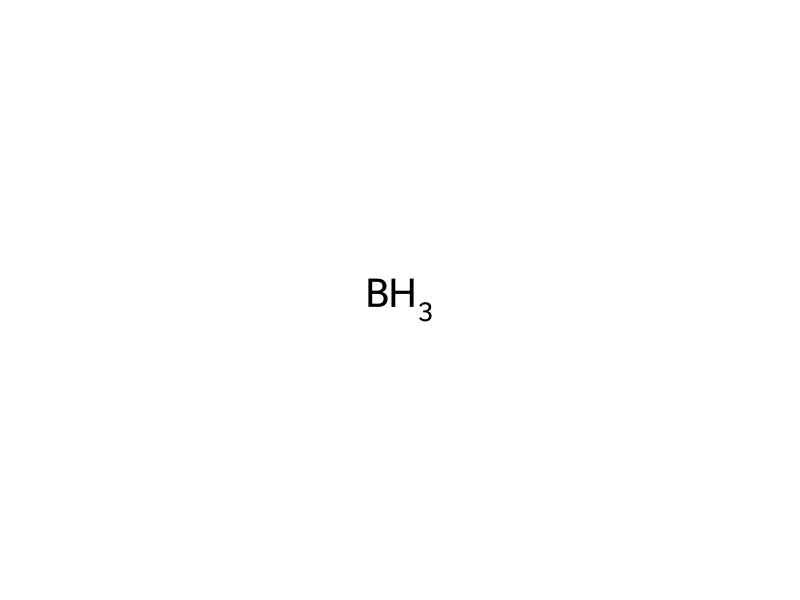
To a solution of 3-hydroxy-4-methylbenzoic acid (15.22 g, 0.1 mole) in THF (250 mL) was added borane.dimethylsulfide (32.0 mL of a 10.0 M solution, 0.32 mole) dropwise. Upon completion of addition, the reaction was stirred for 18 hrs. It was then quenched dropwise by the slow addition of aqueous 10% HCl (250 mL) and extracted with ethylacetate (3×250 mL). The organics were combined, dried with MgSO4 and concentrated. The resulting residue was taken up in CH2Cl2 (500 mL) and pyridinium dichromate (45.15 g, 0.12 mole) was added. The resulting mixture was stirred for 48 hrs. It was then filtered through Celite and concentrated. The resulting residue was chromatographed (silica gel, ether:hexanes, 30:70) to afford 4.55 g of 3-hydroxy-4-methylbenzaldehyde as a yellow solid.
Workup
- additionUpon completion of addition
- customIt was then quenched dropwise by the slow addition of aqueous 10% HCl (250 mL)
- extractionextracted with ethylacetate (3×250 mL)
- dry with materialdried with MgSO4
- concentrationconcentrated
- stirringThe resulting mixture was stirred for 48 hrs
- filtrationIt was then filtered through Celite
- concentrationconcentrated
- customThe resulting residue was chromatographed (silica gel, ether:hexanes, 30:70)
Sources & evidence
- ORD record
- ord-ab1998fbcdaf4cc8b7132bbf0e5f3bda
- Source dataset
- uspto-grants-1991_08
- Patent number
- US05037853
Reaction notes
Loading…