Hydrochloric Acid → HCID 15597006, compound
Reaction equation

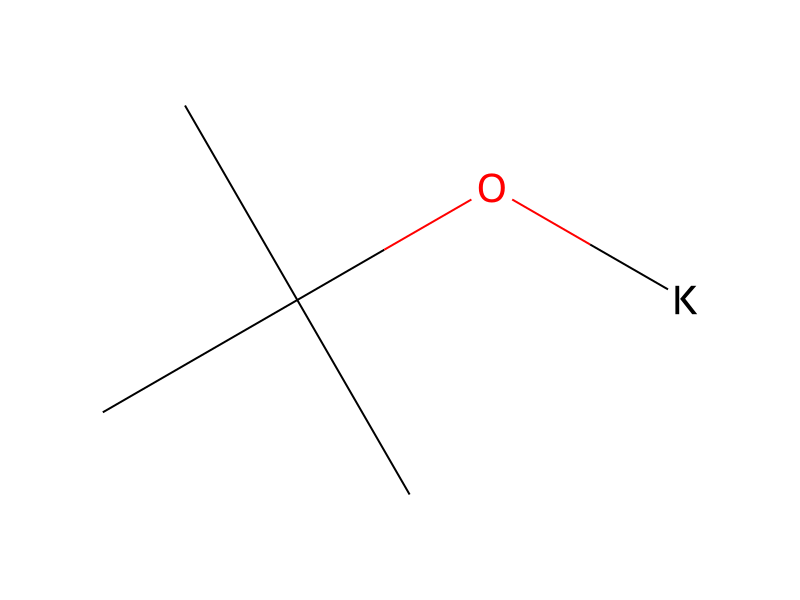
C(O[K])(C)(C)C.[CH3:7][C:8]1[NH:9][CH:10]=[CH:11][N:12]=1.[OH:13][CH:14]([CH2:17][OH:18])[CH2:15]Br.Cl>C(O)(C)(C)C.O1CCCC1>[OH:13][CH:14]([CH2:17][OH:18])[CH2:15][N:9]1[CH:10]=[CH:11][N:12]=[C:8]1[CH3:7]Participants






Procedure
A200 ml flask was charged with 2.0 g of t-butoxypotassium, 70 ml of tetrahydrofuran, 1.23 g of 2-methylimidazole. After stirring for 30 minutes, a solution of 2.5 g of 2,3-dihydroxyl-n-propyl bromide in 5 ml of t-butanol was added. After refluxing for one hour, 5 ml of 1 N HCl solution was added and the mixture was allowed to stand over night. The solvent was evaporated under reduced pressure. The residue was extracted with dichloromethane, washed with saturated aqueous solution of sodium hydrogencarbonate, and dried over anhydrous magnesium sulfate. After removing anhydrous magnesium sulfate, the solvent was evaporated under reduced pressure and the residue was purified by column chromatography (development solvent: methyl acetate/methanol=90/10) to obtain 1.9 g of 1-(2′,3′-dihydroxylpropyl)-2-methylimidazole (compound (A-1)). 1H-NMR spectrum of the resulting compound is shown in FIG. 1.
Workup
- temperatureAfter refluxing for one hour
- waitto stand over night
- customThe solvent was evaporated under reduced pressure
- extractionThe residue was extracted with dichloromethane
- washwashed with saturated aqueous solution of sodium hydrogencarbonate
- dry with materialdried over anhydrous magnesium sulfate
- customAfter removing anhydrous magnesium sulfate
- customthe solvent was evaporated under reduced pressure
- customthe residue was purified by column chromatography (development solvent: methyl acetate/methanol=90/10)
Sources & evidence
- ORD record
- ord-2bed1feeb64e48b9a611cfa7273656a8
- Source dataset
- uspto-grants-2008_01
- Patent number
- US07314701B2
Reaction notes
Loading…