HCID 719836, compound → HCID 58958171, compound
Reaction equation

[CH2:1]1[C:10]2[C:5](=[CH:6][CH:7]=[CH:8][CH:9]=2)[CH2:4][CH2:3][N:2]1[CH2:11][C:12]([NH:14][NH2:15])=[O:13].C[Al](C)C.[CH3:20][C:21]1[CH:30]=[C:29]([NH:31][C:32]2[CH:33]=[C:34]([CH:39]=[CH:40][CH:41]=2)[C:35](OC)=[O:36])[C:28]2[C:23](=[CH:24][CH:25]=[CH:26][CH:27]=2)[N:22]=1>C1(C)C(C)=CC=CC=1>[CH3:20][C:21]1[CH:30]=[C:29]([NH:31][C:32]2[CH:33]=[C:34]([CH:39]=[CH:40][CH:41]=2)[C:35]([NH:15][NH:14][C:12](=[O:13])[CH2:11][N:2]2[CH2:3][CH2:4][C:5]3[C:10](=[CH:9][CH:8]=[CH:7][CH:6]=3)[CH2:1]2)=[O:36])[C:28]2[C:23](=[CH:24][CH:25]=[CH:26][CH:27]=2)[N:22]=1Participants
Reactant 3

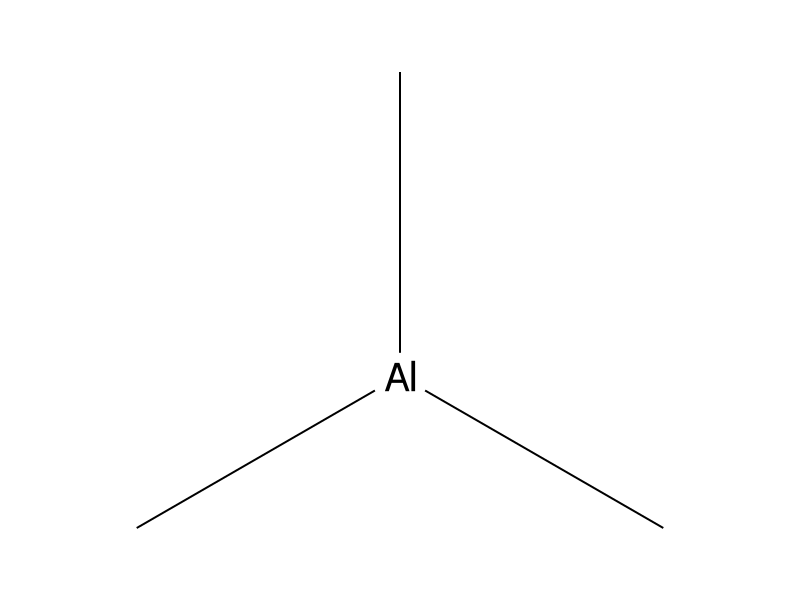

Product 1

Reagents, catalysts & solvents 1

Procedure
Ethyl(3,4-dihydro-1H-isoquinolin-2-yl)acetate (90). To a solution of 40 (1.33 g, 10.0 mmol) in acetonitrile (50 mL) were sequentially added potassium carbonate (5.53 g, 40.0 mmol) and ethyl bromoacetate (1.67 g, 10.0 mmol). The reaction mixture was stirred at room temperature overnight, then partitioned between EtOAc (200 mL) and water (150 mL). The organic layer was dried (MgSO4) and concentrated under reduced pressure to give 90 (2.1 g, 99%). Step 2. (3,4-Dihydro-1H-isoquinolin-2-yl)acetic hydrazide (91). A solution of 90 (2.0 g, 9.12 mmol) and hydrazine (5.1 g, 91 mmol) in ethanol (30 mL) was heated at reflux overnight. The mixture was concentrated under reduced pressure to give 91 (1.87 g ˜100%) which was used without further purification. Step 3. 3-(2-Methylquinolin-4-ylamino)-N′-(2-3,4-dihydro-1H-isoquinolin-2-yl-acetyl)benzoic hydrazide (92). To a solution of 91 (205 mg, 1.0 mmol) in xylene (5 mL) was added trimethyl aluminum (2 M solution in hexanes, 0.75 mL, 1.5 mmol). The mixture was stirred under nitrogen for 10 minutes before the addition of methyl 3-(2-methylquinolin-4-ylamino)benzoate (49) (150 mg, 0.5 mmol). The reaction was heated at reflux overnight, quenched with water (2 mL), basified to pH 9 (2 N NaOH), and extracted with 7:3 CH2Cl2/MeOH. The organic layer was dried (K2CO3) and concentrated under reduced pressure, and the residue was purified by flash chromatography (SiO2, gradient elution) to give 92 as a pale yellow oil (147 mg, 63%). Step 4. {3-[5-(3,4-Dihydro-1H-isoquinolin-2-ylmethyl)-[1,3,4]oxadiazol-2-yl]phenyl}-(2-methylquinolin-4-yl)amine. A mixture of 92 (195 mg, 0.42 mmol) in phosphorous oxychloride (0.5 mL) was heated overnight before mixing cautiously with ice water (2 mL). The mixture was extracted with 7:3 CH2Cl2/MeOH, and the organic layer was dried (MgSO4) and concentrated under reduced pressure. The residue was purified by flash chromatography (SiO2, gradient elution) to give the desired product as a pale yellow solid (69 mg, 37%).
Workup
- customwas used without further purification
- temperatureThe reaction was heated
- temperatureat reflux overnight
- customquenched with water (2 mL)
- extractionextracted with 7:3 CH2Cl2/MeOH
- dry with materialThe organic layer was dried (K2CO3)
- concentrationconcentrated under reduced pressure
- customthe residue was purified by flash chromatography (SiO2, gradient elution)
Sources & evidence
- ORD record
- ord-07aca8eeb9a0420482169cba527e3600
- Source dataset
- uspto-grants-2008_01
- Patent number
- US07320989B2
Reaction notes
Loading…