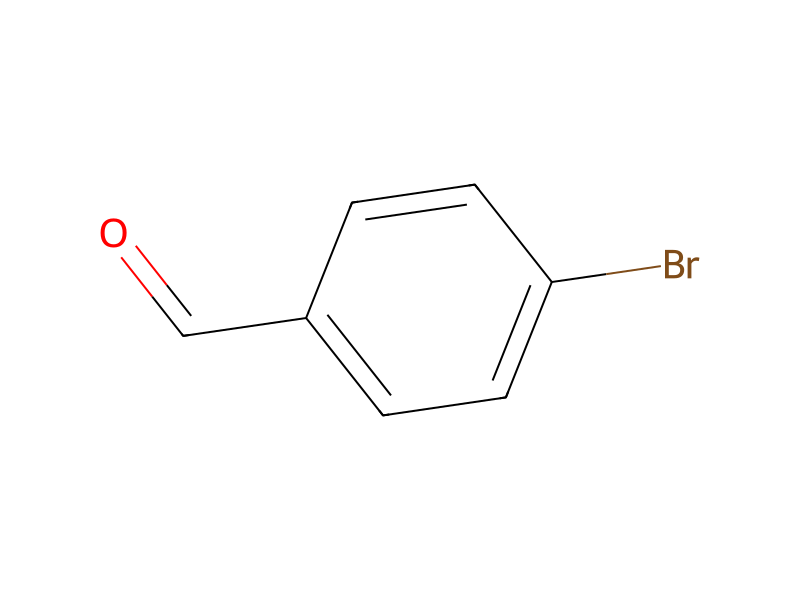
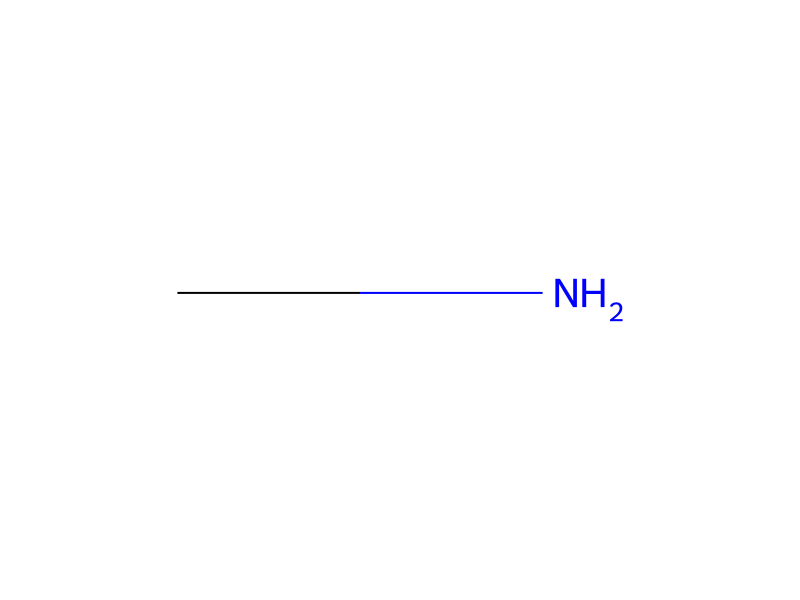
4-Bromobenzaldehyde → Methylamine
Reaction equation

[CH3:1][C:2]([O:7]/[N:8]=[C:9](/[C:16]([NH:18][CH2:19][CH:20]=[O:21])=[O:17])\[C:10]1[N:14]=[C:13]([NH2:15])[S:12][CH:11]=1)([C:4]([OH:6])=[O:5])[CH3:3].BrC1C=CC(C=O)=CC=1>>[CH3:3][C:2]([O:7]/[N:8]=[C:9](/[C:16]([NH:18][CH2:19][CH:20]=[O:21])=[O:17])\[C:10]1[N:14]=[C:13]([NH2:15])[S:12][CH:11]=1)([C:4]([OH:6])=[O:5])[CH3:1].[CH3:9][NH2:8]Participants
4

Procedure
The synthesis of alkyne 5 is shown in Scheme 2. Aldehyde 2, though available from Aldrich, is expensive, therefore it can be more economical to prepare it from relatively inexpensive 4-bromobenzaldehyde 1 following a literature procedure as described in Thorand, S. and Krause, N. J. Org. Chem. 1998, 63, 8551. Next, reductive amination of aldehyde 2 with methylamine can afford amine 3, which can be subsequently protected to give methyl carbamate 4. Removal of the trimethylsilyl group (TMS) under basic conditions can yield 5 in 90% yield.
Sources & evidence
- ORD record
- ord-5fc9093d0aff44dd9a22a1337d5a800e
- Source dataset
- uspto-grants-2008_01
- Patent number
- US07323562B2
Reaction notes
Loading…