Nitric Acid → Chlorofluoronitroacetic Acid
Reaction equation

[Cl:1][C:2]([F:9])([N+:6]([O-:8])=[O:7])[C:3]([OH:5])=[O:4].OS(O)(=O)=O.O=S(=O)=O.[N+:19]([O-:22])(O)=[O:20].[F:23][C:24]([F:29])([F:28])[C:25]([OH:27])=[O:26].[Cl:30][C:31]([F:35])=[C:32]([F:34])[Cl:33]>>[Cl:1][C:2]([F:9])([N+:6]([O-:8])=[O:7])[C:3]([OH:5])=[O:4].[F:23][C:24]([F:29])([F:28])[C:25]([O:27][C:31]([Cl:30])([F:35])[C:32]([Cl:33])([F:34])[N+:19]([O-:22])=[O:20])=[O:26]Participants


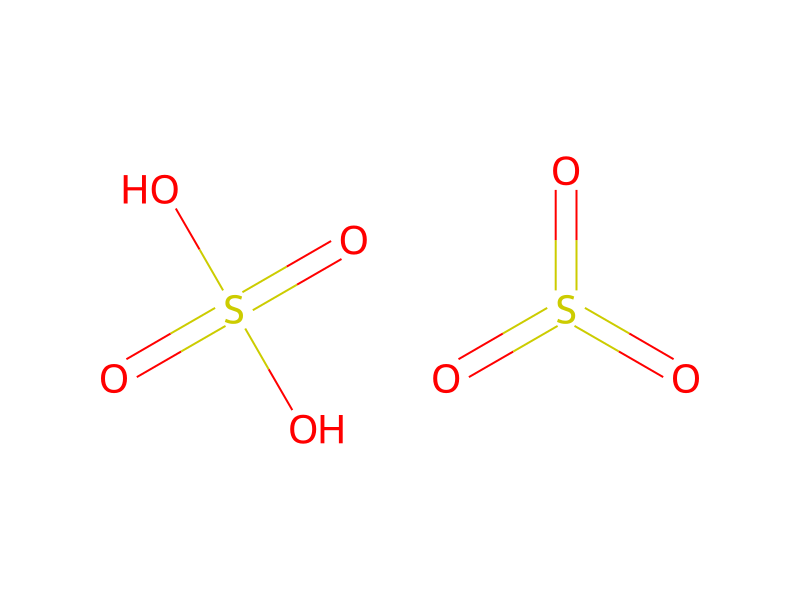


Procedure
The yield of chlorofluoronitroacetic acid in the nitration reaction was increased to 44% by replacing sulfuric acid with oleum. When a mixture of oleum, nitric acid and trifluoracetic acid was reacted with 1,2-dichlorodifluoroethylene, chlorofluoronitroacetic acid was obtained in 63% yield along with 14% of the 1,2-addition product, 1,2-dichloro-1,2-difluoro-2-nitroethyl trifluoroacetate, bringing the total yield of the nitration reaction to 77%. Apparently the 1,2-addition product was formed first and then was hydrolyzed in situ, to give the acetic acid derivative. The lower boiling point and diminished water sensitivity of the 1,2-addition product makes it a potentially attractive alternative to chlorofluoronitroacetic acid in subsequent nitration reactions.
Workup
- temperaturewas increased to 44%
Sources & evidence
- ORD record
- ord-17f6765859934b99bfa0ce534671ffb2
- Source dataset
- uspto-grants-1993_08
- Patent number
- USH0001223
Reaction notes
Loading…