Chloride → Stilbene
Reaction equation

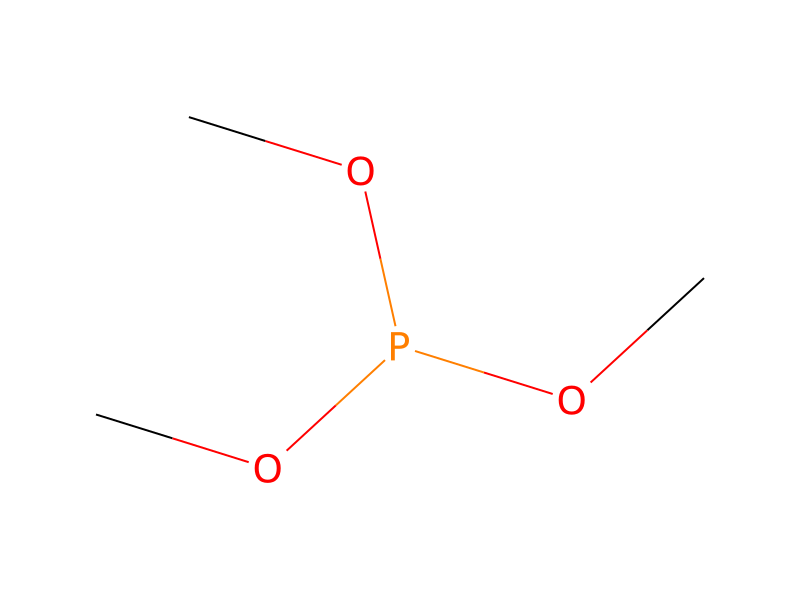
[Cl-].P1CCCCCCCC1.P(OC)(OC)OC.[C:18]1([CH:26]=[CH:27][C:28]2[CH:33]=[CH:32][CH:31]=[CH:30][CH:29]=2)[CH:23]=[CH:22][C:21](C=O)=[CH:20][CH:19]=1>>[C:18]1([CH:26]=[CH:27][C:28]2[CH:29]=[CH:30][CH:31]=[CH:32][CH:33]=2)[CH:23]=[CH:22][CH:21]=[CH:20][CH:19]=1Participants



Procedure
To improve the performance it was decided to synthesise distyrylbenzene (8). (Scheme 2) which should give emission at a longer wavelength, be a solid and have the required lack of symmetry and the necessary polymer compatibility. The first step in the synthesis of (8) was the reduction of (5) with lithium aluminium hydride under standard conditions to give the alcohol (9) in 82% yield. The alcohol (9), dissolved in 1,4-dioxane, was treated with concentrated hydrochloric acid to yield (10) in 89% yield. The chloride (10) was converted into the phosphonane (11) in 55% yield by treatment with trimethyl phosphite at reflux. The phosphonate (11) was coupled with 4-stilbenecarbaldehyde (12) under the same conditions used to form (4) and the distyrylbenzene (8) was isolated in 73% yield. ##STR6##
Workup
- temperatureat reflux
Sources & evidence
- ORD record
- ord-dd805caffd3e4da0a1225b0b67957dd9
- Source dataset
- uspto-grants-1997_08
- Patent number
- US05653914
Reaction notes
Loading…