2-(Methylamino)ethanol → HCID 18998890, compound
Reaction equation

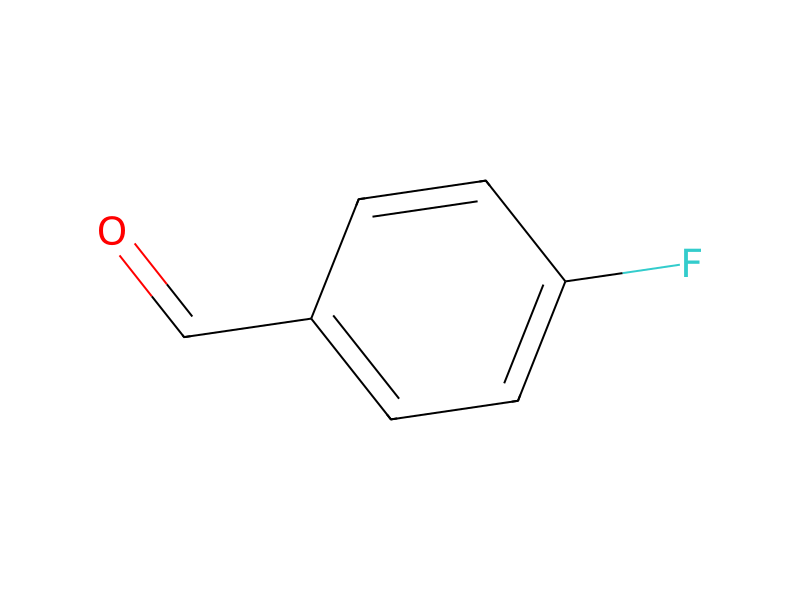
[N:1]1[CH:6]=[CH:5][CH:4]=[CH:3][C:2]=1[CH2:7][C:8]([O:10]C)=O.[H-].[Na+].F[C:15]1[CH:22]=[CH:21][C:18]([CH:19]=[O:20])=[CH:17][CH:16]=1.[CH3:23][NH:24][CH2:25][CH2:26][OH:27]>CN(C)C=O.O>[CH3:23][N:24]([CH2:25][CH2:26][O:27][C:15]1[CH:22]=[CH:21][C:18]([CH:19]=[O:20])=[CH:17][CH:16]=1)[C:8](=[O:10])[CH2:7][C:2]1[CH:3]=[CH:4][CH:5]=[CH:6][N:1]=1Participants






Conditions
- Temperature
- 80 °C
Procedure
Methyl 2-pyridylacetate (10.0 g, 8.9 ml) was dissolved in 2-(N-methylamino)ethanol (150 ml) and the mixture heated at reflux for 84 hours, then cooled and concentrated under reduced pressure. The residue was dissolved in water (100 ml)and continuously extracted overnight with ethyl acetate. The ethyl acetate solution was dried (MgSO4) and evaporated to afford an oil which no longer displayed an ester signal (δ3.70) in the nmr spectrum. The oil was dissolved in dry dimethylformamide (150 ml) at room temperature under a nitrogen atmosphere, and sodium hydride (60% dispersion in oil, 3.42 g) was added. The mixture was stirred for 1 hour, then 4-fluorobenzaldehyde (10.6 g, 9.2 ml) was added and the mixture heated at 80° C. for 22.5 hours, cooled, diluted with water (1 l) and extracted with ethyl acetate (3×400 ml). The combined ethyl acetate layers were washed with water (3×1 l) and brine (1 l), dried (MgSO4) and evaporated. The resulting oil was triturated with hexane and the residue chromatographed on silica gel with 1.5% methanol in dichloromethane as solvent to afford the title compound as an oil.
Workup
- temperaturethe mixture heated
- temperatureat reflux for 84 hours
- temperaturecooled
- concentrationconcentrated under reduced pressure
- dissolutionThe residue was dissolved in water (100 ml)and continuously extracted overnight with ethyl acetate
- dry with materialThe ethyl acetate solution was dried (MgSO4)
- customevaporated
- customto afford an oil which
- temperaturecooled
- extractionextracted with ethyl acetate (3×400 ml)
- washThe combined ethyl acetate layers were washed with water (3×1 l) and brine (1 l)
- dry with materialdried (MgSO4)
- customevaporated
- customThe resulting oil was triturated with hexane
- customthe residue chromatographed on silica gel with 1.5% methanol in dichloromethane as solvent
Sources & evidence
- ORD record
- ord-a44ad749483946368fe8a151cf56a97d
- Source dataset
- uspto-grants-1995_12
- Patent number
- US05478851
Reaction notes
Loading…