Tetrahydrofuran → HCID 16118808, compound
Reaction equation

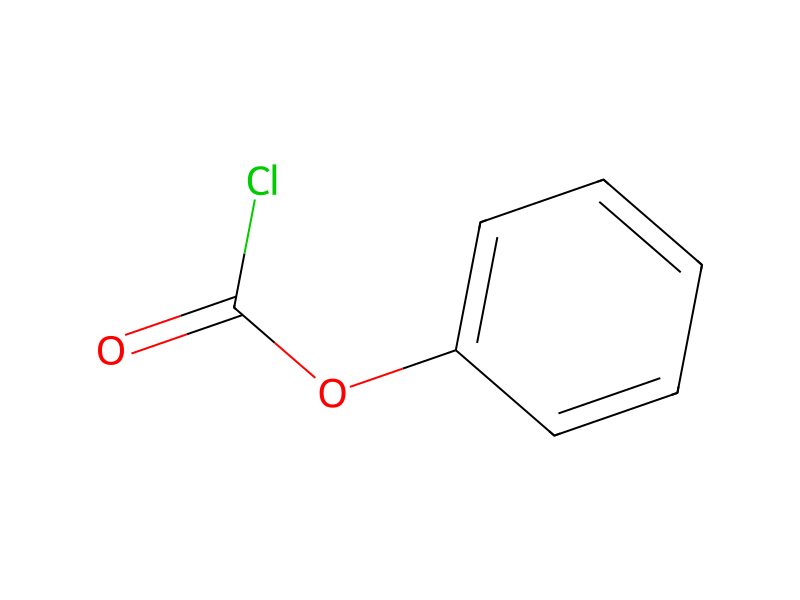
[NH2:1][C:2]1[CH:7]=[C:6]([O:8][C:9]2[CH:14]=[CH:13][C:12]([NH:15][C:16]([C:18]3([C:21]([NH:23][C:24]4[CH:29]=[CH:28][C:27]([F:30])=[CH:26][CH:25]=4)=[O:22])[CH2:20][CH2:19]3)=[O:17])=[C:11]([F:31])[CH:10]=2)[CH:5]=[CH:4][N:3]=1.C([N:34]([CH2:37]C)CC)C.ClC([O:42][C:43]1[CH:48]=CC=C[CH:44]=1)=O.[O:49]1CCCC1>>[F:31][C:11]1[CH:10]=[C:9]([O:8][C:6]2[CH:5]=[CH:4][N:3]=[C:2]([NH:1][C:37]([N:34]3[CH2:44][CH:43]([OH:42])[CH2:48]3)=[O:49])[CH:7]=2)[CH:14]=[CH:13][C:12]=1[NH:15][C:16]([C:18]1([C:21]([NH:23][C:24]2[CH:25]=[CH:26][C:27]([F:30])=[CH:28][CH:29]=2)=[O:22])[CH2:20][CH2:19]1)=[O:17]Participants




Procedure
N-{4-[(2-Aminopyridin-4-yl)oxy]-2-fluorophenyl}-N′-(4-fluorophenyl)cyclopropane-1,1-dicarboxamide (250 mg) was dissolved in tetrahydrofuran (6.0 ml) under a nitrogen atmosphere, and triethylamine (0.247 ml) and phenyl chloroformate (0.163 ml) were added dropwise at room temperature in this order, followed by stirring for 1 hr. The reaction mixture was partitioned between ethyl acetate and water. The organic layer was washed with a 1N aqueous solution of sodium hydroxide, water and brine in this order, and dried over anhydrous sodium sulfate. The solvent was concentrated under reduced pressure. The residue was dissolved in N,N-dimethylformamide (6.0 ml). This solution was added to a mixture of 3-hydroxyazetidine hydrochloride (259 mg) and triethylamine (0.822 ml), followed by stirring at room temperature for 14.25 hr. The reaction mixture was partitioned between ethyl acetate and water. The organic layer was washed with a 1N aqueous solution of sodium hydroxide, water and brine in this order, and dried over anhydrous sodium sulfate. The solvent was removed and the residue was purified by silica gel column chromatography (Fuji Silysia NH, eluent; heptane:ethyl acetate=1:2, ethyl acetate, ethyl acetate:methanol=30:1, then 10:1). Fractions containing the target compound were concentrated. To the resultant residue was added diethyl ether:heptane=1:2 to suspend a solid. The solid was collected by filtration and washed with heptane. This was dried under aeration to provide white powder (198 mg). This was suspended in 2-propanol (2 ml). Insoluble matter was removed by filtration and washed with 2-propanol. This was dried under aeration to provide white powder (178 mg). This was again suspended in 2-propanol (2 ml). This was collected by filtration, washed with 2-propanol, and dried under aeration to provide the titled compound as white powder (144.2 mg, 46.7%).
Workup
- customThe reaction mixture was partitioned between ethyl acetate and water
- washThe organic layer was washed with a 1N aqueous solution of sodium hydroxide, water and brine in this order
- dry with materialdried over anhydrous sodium sulfate
- concentrationThe solvent was concentrated under reduced pressure
- dissolutionThe residue was dissolved in N,N-dimethylformamide (6.0 ml)
- additionThis solution was added to a mixture of 3-hydroxyazetidine hydrochloride (259 mg) and triethylamine (0.822 ml)
- stirringby stirring at room temperature for 14.25 hr
- customThe reaction mixture was partitioned between ethyl acetate and water
- washThe organic layer was washed with a 1N aqueous solution of sodium hydroxide, water and brine in this order
- dry with materialdried over anhydrous sodium sulfate
- customThe solvent was removed
- customthe residue was purified by silica gel column chromatography (Fuji Silysia NH, eluent
- additionFractions containing the target compound
- concentrationwere concentrated
- additionTo the resultant residue was added diethyl ether
- filtrationThe solid was collected by filtration
- washwashed with heptane
- customThis was dried under aeration
Sources & evidence
- ORD record
- ord-b1e5f678cc7b42bf95092d85d9494350
- Source dataset
- uspto-grants-2010_12
- Patent number
- US07855290B2
Reaction notes
Loading…