Pyrrolidine → 5-(2-(Pyrrolidin-1-yl)ethyl)pyridin-3-amine
Reaction equation

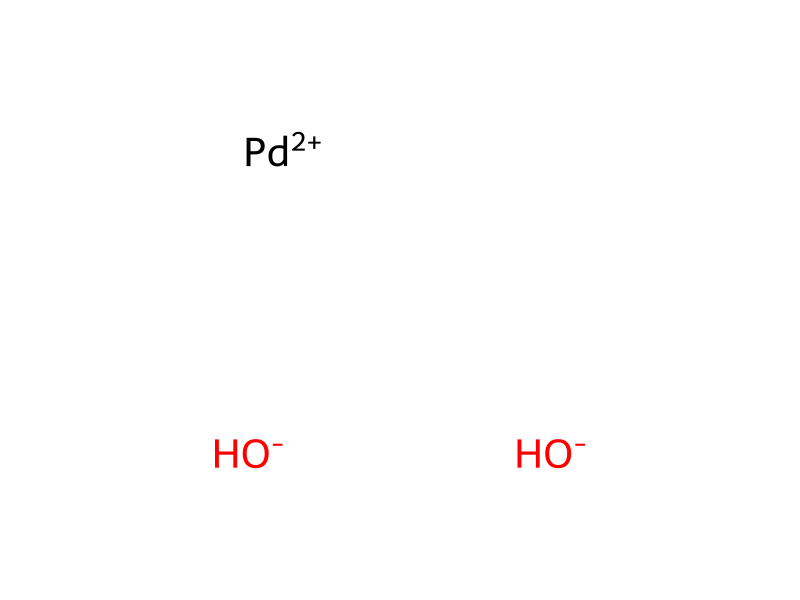
[C:1]([C:3]1[CH:4]=[N:5][CH:6]=[C:7]([N+:9]([O-])=O)[CH:8]=1)#[CH:2].[NH:12]1[CH2:16][CH2:15][CH2:14][CH2:13]1>C(O)C.[OH-].[OH-].[Pd+2]>[N:12]1([CH2:2][CH2:1][C:3]2[CH:8]=[C:7]([NH2:9])[CH:6]=[N:5][CH:4]=2)[CH2:16][CH2:15][CH2:14][CH2:13]1Participants
5
Reactant 2


Product 1

Reagents, catalysts & solvents 2

Conditions
- Temperature
- 80 °C
Procedure
To a solution of 3-ethynyl-5-nitropyridine (250 mg, 1.69 mmol) in ethanol (5 mL) was added pyrrolidine (0.56 mL, 6.76 mmol) and the reaction mixture was stirred at 80° C. for 16 h. The reaction mixture was cooled and palladium hydroxide on carbon (20 mg) was added. The flask was charged with H2 (ballon) and stirred at rt for 16 h. The mixture was filtered over celite and the filtrate was concentrated to afford crude product (380 mg) as a dark red oil: ESI MS m/z 192 [C11H17N3+H]+.
Workup
- temperatureThe reaction mixture was cooled
- additionThe flask was charged with H2 (ballon)
- stirringstirred at rt for 16 h
- filtrationThe mixture was filtered over celite
- concentrationthe filtrate was concentrated
Sources & evidence
- ORD record
- ord-ede97bfb56334264889a9d984ddc6687
- Source dataset
- uspto-grants-2015_09
- Patent number
- US09120749B2
Reaction notes
Loading…