Carbazole → HCID 86710448, compound
Reaction equation

Br[C:2]1[CH:7]=[C:6]([F:8])[CH:5]=[CH:4][C:3]=1[O:9][CH3:10].[CH:11]1[C:23]2[NH:22][C:21]3[C:16](=[CH:17][CH:18]=[CH:19][CH:20]=3)[C:15]=2[CH:14]=[CH:13][CH:12]=1>O1CCOCC1.[Cu]I.NCC(N)C>[F:8][C:6]1[CH:5]=[CH:4][C:3]([O:9][CH3:10])=[C:2]([N:22]2[C:23]3[CH:11]=[CH:12][CH:13]=[CH:14][C:15]=3[C:16]3[C:21]2=[CH:20][CH:19]=[CH:18][CH:17]=3)[CH:7]=1Participants
6
Reactant 2


Product 1

Reagents, catalysts & solvents 3


Procedure
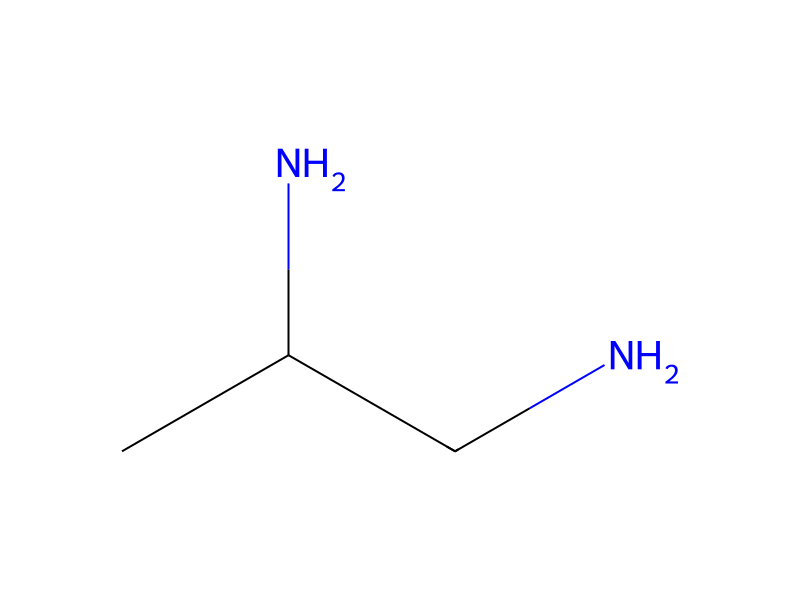
2-Bromo-4-fluoroanisole (20 g, 10 mmol, 1 equiv) and carbazole (18.4 g, 11 mmol, 1.1 equiv) were dissolved in 1,4-dioxane (200 mL). Potassium phosphate tribasic hydrate (46 g, 20 mmol, 2 equiv), copper(I) iodide (1 g, 0.5 mmol, 0.05 equiv) and 1,2-diaminopropane (1 mL, 1.3 mmol, 0.13 equiv) were added and the reaction was refluxed for 18 hours. The reaction was cooled to room temperature and filtered through CELITE diatomaceous earth. The filtrate was concentrated under reduced pressure and the residue was purified over silica gel (250 g), eluting with gradient of 0 to 10% ethyl acetate in heptanes to give compound 4 (7.6 g, 26% yield) as an off white solid that was contaminated with carbazole. This material was used subsequently.
Workup
- temperaturethe reaction was refluxed for 18 hours
- filtrationfiltered through CELITE diatomaceous earth
- concentrationThe filtrate was concentrated under reduced pressure
- customthe residue was purified over silica gel (250 g)
- washeluting with gradient of 0 to 10% ethyl acetate in heptanes
Sources & evidence
- ORD record
- ord-38c5ecbea7ca4b468f66957b8c6d82ee
- Source dataset
- uspto-grants-2015_09
- Patent number
- US09120879B2
Reaction notes
Loading…