Hydrochloric Acid → tert-Butyl 4-acryloylpiperazine-1-carboxylate
Reaction equation

[C:1](Cl)(=[O:4])[CH:2]=[CH2:3].[C:6]([O:10][C:11]([N:13]1[CH2:18][CH2:17][NH:16][CH2:15][CH2:14]1)=[O:12])([CH3:9])([CH3:8])[CH3:7].C(N(CC)CC)C.Cl>ClCCl>[C:6]([O:10][C:11]([N:13]1[CH2:18][CH2:17][N:16]([C:1](=[O:4])[CH:2]=[CH2:3])[CH2:15][CH2:14]1)=[O:12])([CH3:9])([CH3:7])[CH3:8]Participants


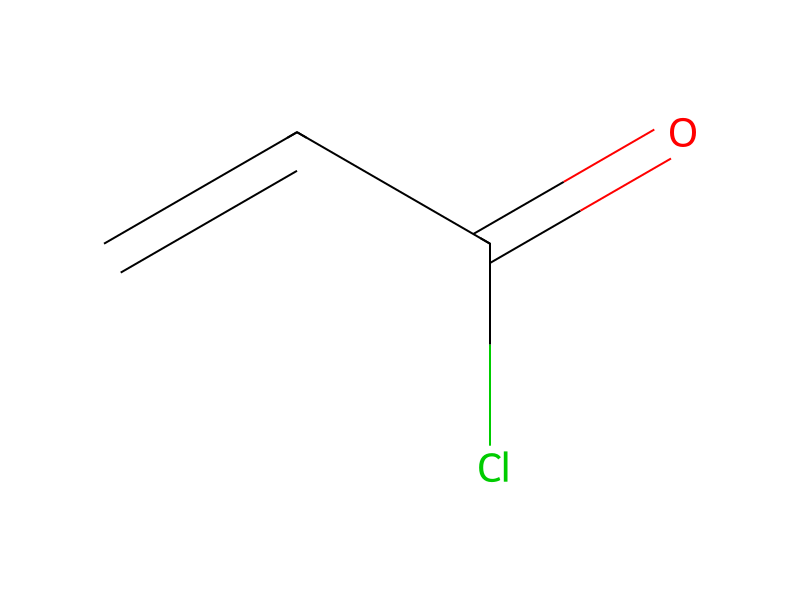



Procedure
Acryloylchlorid (0.8 ml, 9.8 mmol, 1 eq) was added dropwise to a stirred ice-cold solution of piperazine 1-carboxylic acid tert butyl ester (2 g, 9.8 mmol, 1 eq) and triethylamine (1.4 ml, 9.8 mmol, 1 eq) in dichloromethane (50 mL) at 0° C. The mixture was then stirred and allowed to come to room temperature over 2 hours. 1M Hydrochloric acid solution (50 mL) was added to the mixture, and the two layers were separated. The organic phase was washed with saturated sodium hydrogen carbonate solution (2×50 ml) and saturated sodium chloride solution (50 ml) and dried over MgSO4. After filtration, the solvent is evaporated. The residue was purified by chromatography (ethyl acetate/n-hexane 1/1) to give the product (1.26 g, 49%) as a white solid.
Workup
- customthe two layers were separated
- washThe organic phase was washed with saturated sodium hydrogen carbonate solution (2×50 ml) and saturated sodium chloride solution (50 ml)
- dry with materialdried over MgSO4
- filtrationAfter filtration
- customthe solvent is evaporated
- customThe residue was purified by chromatography (ethyl acetate/n-hexane 1/1)
Sources & evidence
- ORD record
- ord-83e43deb40654c0496912495c0e4081b
- Source dataset
- uspto-grants-2015_09
- Patent number
- US09133213B2
Reaction notes
Loading…