Hydrogen Cyanide → Methacrylic Acid
Reaction equation

C#N.[S:3](=[O:7])(=[O:6])([OH:5])[OH:4].[C:8]([NH2:13])(=[O:12])[C:9]([CH3:11])=[CH2:10]>CC(C)=O>[S:3](=[O:5])(=[O:4])([OH:7])[O-:6].[NH4+:13].[C:8]([OH:12])(=[O:4])[C:9]([CH3:11])=[CH2:10]Participants
Reactant 3
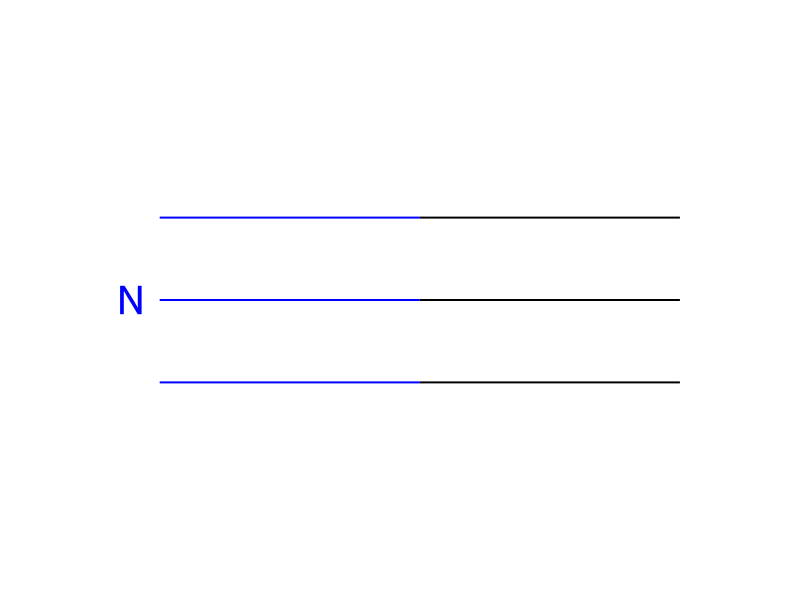


Product 2


Reagents, catalysts & solvents 1

Procedure
Methacrylic acid (MAA), 3-hydroxybutyric acid and 2-hydroxyisobutyric acid are exemplary reduced products. The production of MAA through fermentation has a theoretical yield of 1.33 moles MAA per mole of glucose. It is most commonly produced from the acetone cyanohydrin (ACH) route using the raw materials acetone and hydrogen cyanide as raw materials. The intermediate cyanohydrin is converted with sulfuric acid to a sulfate ester of the methacrylamide, hydrolysis of which gives ammonium bisulfate and MAA. Other producers start with an isobutylene or, equivalently, tert-butanol, which is oxidized to methacrolein, and again oxidized to methacrylic acid. MAA is then esterified with methanol to MMA. Methacrylic acid is used industrially in the preparation of its esters, known collectively as methacrylates, such as methyl methacrylate. The methacrylates have numerous uses, most notably in the manufacture of polymers. C6H12O6→1.33C4H6O2+0.67CO2+2H2O
Sources & evidence
- ORD record
- ord-778a2ea434fc4a678a01841a9f20f1a7
- Source dataset
- uspto-grants-2015_09
- Patent number
- US09133487B2
Reaction notes
Loading…