Hydrazine hydrate (1:1) → HCID 178433742, compound
Reaction equation

[C:1]([C:5]1[N:6]=[C:7]([C:13]2[C:14]([CH3:22])=[N:15][N:16]3[CH:21]=[CH:20][CH:19]=[CH:18][C:17]=23)[S:8][C:9]=1[C:10]([NH2:12])=O)([CH3:4])([CH3:3])[CH3:2].COC(OC)[N:26]([CH3:28])C.O.[NH2:32]N>C(O)(=O)C>[C:1]([C:5]1[N:6]=[C:7]([C:13]2[C:14]([CH3:22])=[N:15][N:16]3[CH:21]=[CH:20][CH:19]=[CH:18][C:17]=23)[S:8][C:9]=1[C:10]1[NH:26][CH:28]=[N:32][N:12]=1)([CH3:4])([CH3:3])[CH3:2]Participants
5
Reactant 3

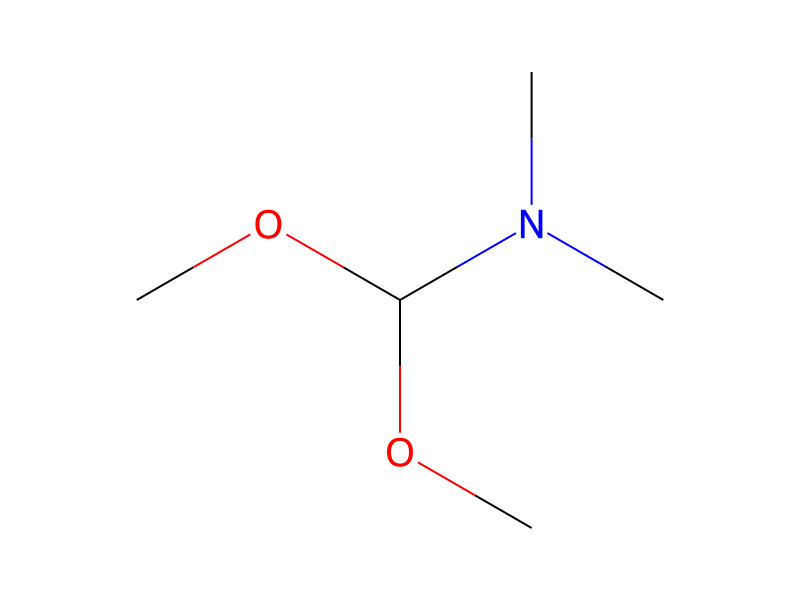

Product 1

Reagents, catalysts & solvents 1

Procedure
Using 4-tert-butyl-2-(2-methylpyrazolo[1,5-a]pyridin-3-yl)-1,3-thiazole-5-carboxamide (230 mg, 0.73 mmol), N,N-dimethylformamide dimethyl acetal (25 mL), acetic acid (25 mL) and hydrazine monohydrate (0.5 mL) as starting materials and in the same manner as in Example 13(vi), the title compound (210 mg, 85%) was obtained as a brown solid.
Sources & evidence
- ORD record
- ord-c00b8536a1354e95ab4c464d88cef507
- Source dataset
- uspto-grants-2015_09
- Patent number
- US09139589B2
Reaction notes
Loading…