Carbazole → 9-(3-Bromophenyl)-9H-carbazole
Reaction equation

[CH:1]1[C:13]2[NH:12][C:11]3[C:6](=[CH:7][CH:8]=[CH:9][CH:10]=3)[C:5]=2[CH:4]=[CH:3][CH:2]=1.[Br:14][C:15]1[CH:20]=[CH:19][CH:18]=[C:17](I)[CH:16]=1.C(=O)([O-])[O-].[K+].[K+].C1OCCOC2C(=CC=CC=2)OCCOCCOC2C(=CC=CC=2)OC1>ClC1C=CC=CC=1Cl.[Cu]>[Br:14][C:15]1[CH:16]=[C:17]([N:12]2[C:11]3[CH:10]=[CH:9][CH:8]=[CH:7][C:6]=3[C:5]3[C:13]2=[CH:1][CH:2]=[CH:3][CH:4]=3)[CH:18]=[CH:19][CH:20]=1Participants
7


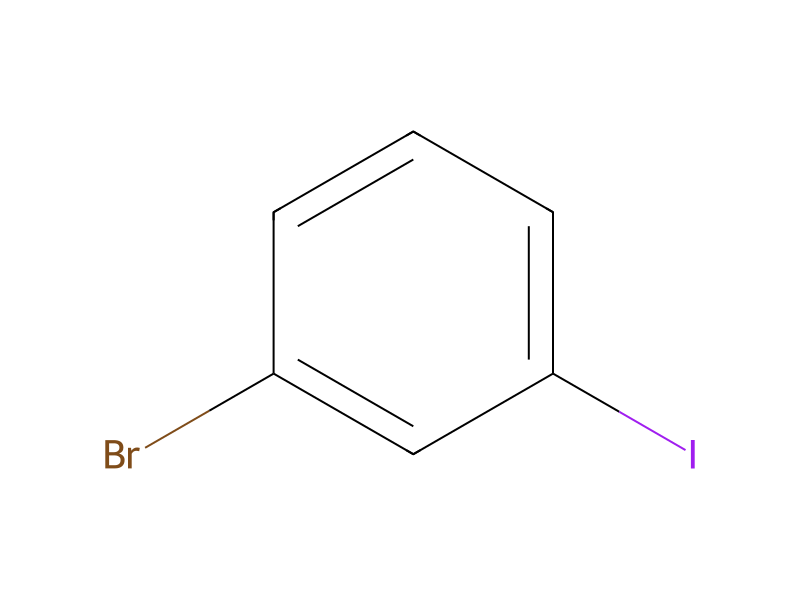




Conditions
- Temperature
- 100 °C
Procedure
4 g of carbazole, 8.08 g of 1-bromo-3-iodobenzene, 13.2 g of potassium carbonate, 3.08 g of copper powder and 0.63 g of dibenzo-18-crown-6 were dissolved in 30 mL of o-dichlorobenzene, and the resulting solution was refluxed at a steady 100° C. After completion of the reaction, the reaction mixture was extracted with dichloromethane and distilled water, and the solvent was dried. The resulting solid was filtered and purified, yielding 9-(3-bromophenyl)-9H-carbazole as an intermediate.
Workup
- customAfter completion of the reaction
- extractionthe reaction mixture was extracted with dichloromethane
- distillationdistilled water
- customthe solvent was dried
- filtrationThe resulting solid was filtered
- custompurified
Sources & evidence
- ORD record
- ord-c4b9449157cb4858a4b998a402480ab2
- Source dataset
- uspto-grants-2015_09
- Patent number
- US09142784B2
Reaction notes
Loading…