Acetonitrile → HCID 178491309, compound
Reaction equation

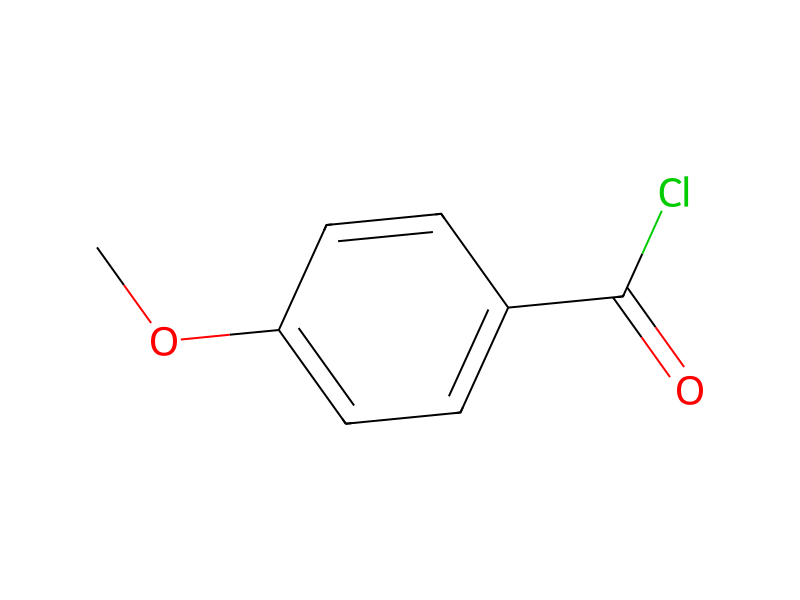
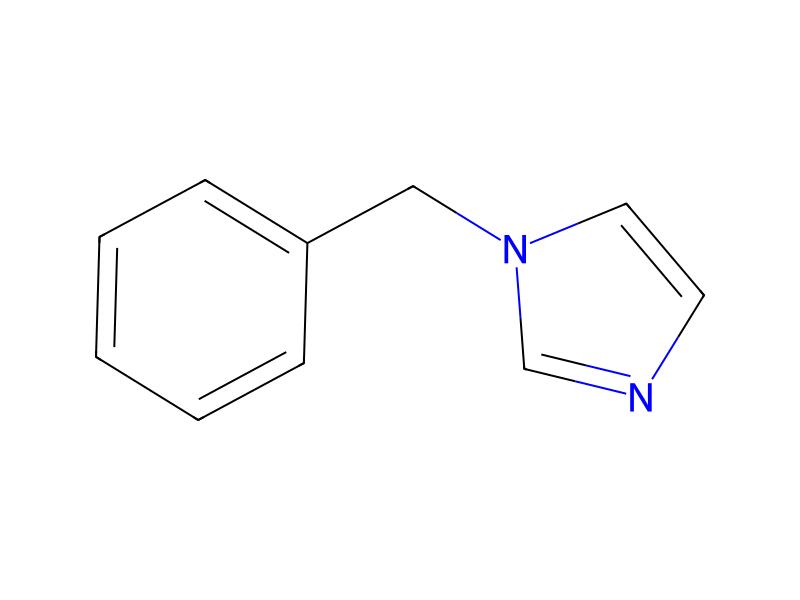
[C:1](Cl)(=[O:10])[C:2]1[CH:7]=[CH:6][C:5]([O:8][CH3:9])=[CH:4][CH:3]=1.[CH2:12](N1C=CN=C1)[C:13]1[CH:18]=[CH:17][CH:16]=[CH:15][CH:14]=1.[CH2:24]([N:26](CC)[CH2:27][CH3:28])C.C(#[N:33])C>>[CH3:9][O:8][C:5]1[CH:6]=[CH:7][C:2]([C:1]([C:27]2[N:26]=[C:24]([CH2:12][C:13]3[CH:14]=[CH:15][CH:16]=[CH:17][CH:18]=3)[NH:33][CH:28]=2)=[O:10])=[CH:3][CH:4]=1Participants
5



Procedure
Anisoyl chloride (4.3 ml) was added slowly to a stirred solution of 1-benzylimidazole (5.0 g) in dry acetonitrile (50 ml) keeping the temperature at 25°-30°. After stirring for 1 h. triethylamine (4.4 ml) was added dropwise and the mixture stirred for 18 h. then filtered. The filtrate was concentrated to dryness, and the residue taken up into ether (100 ml) and washed with acetic acid (25%, 3×50 ml), and 2 N sodium carbonate (3×50 ml), then concentrated until the title compound crystallised as a white solid, m.p. 108°-110° (3.1 g).
Workup
- customat 25°-30°
- additionwas added dropwise
- filtrationthen filtered
- concentrationThe filtrate was concentrated to dryness
- washwashed with acetic acid (25%, 3×50 ml), and 2 N sodium carbonate (3×50 ml)
- concentrationconcentrated until the title compound
- customcrystallised as a white solid, m.p. 108°-110° (3.1 g)
Sources & evidence
- ORD record
- ord-71747a5102304c7da6568401b47aa5ae
- Source dataset
- uspto-grants-1982_04
- Patent number
- US04324792
Reaction notes
Loading…