Water → 1,2-Bis(4-chlorophenyl)hydrazine
Reaction equation

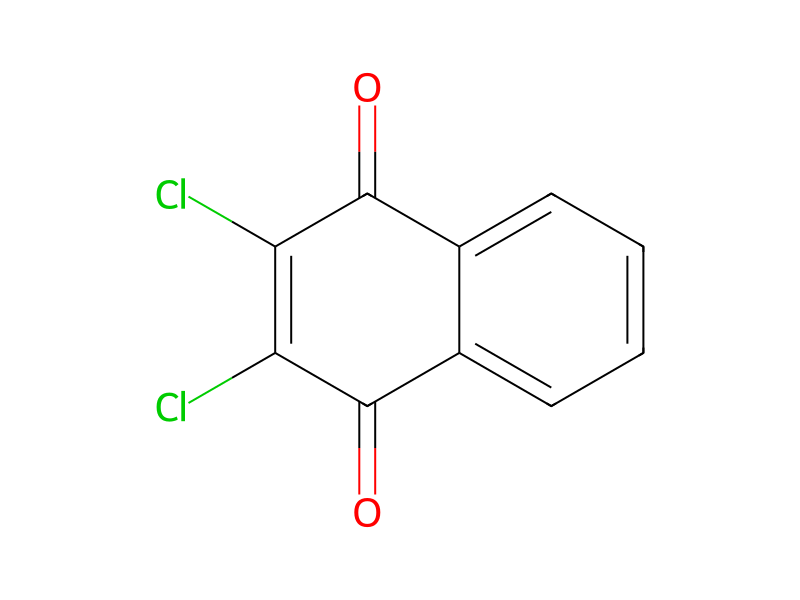
[Cl:1][C:2]1[CH:7]=[CH:6][C:5]([N+:8]([O-])=O)=[CH:4][CH:3]=1.O.[OH-].[Na+].[H][H]>[Pt].C1C=C2C(C(Cl)=C(Cl)C(=O)C2=CC=1)=O.CCCCCC>[Cl:1][C:2]1[CH:7]=[CH:6][C:5]([NH:8][NH:8][C:5]2[CH:6]=[CH:7][C:2]([Cl:1])=[CH:3][CH:4]=2)=[CH:4][CH:3]=1Participants
8







Procedure
210 g p-chloronitrobenzene, 600 g water and 180 g sodium hydroxide (corresponding to a 23.1 wt. % aqueous solution), 0.3 g 2,3-dichloronaphthoquinone-1,4, 350 g n-hexane and 0.40 g platinum on activated charcoal (5% Pt) (the quantitative ratio of platinum metal to p-chloronitrobenzene used being 0.000095:1) are hydrogenated by the use of a gas sparger at a hydrogen pressure of 6 bars and at 60° to 65° C. The reduction is completed after 4 to 5 hours. The procedure set forth in Example 1 is followed, 151 g 4,4'-dichlorohydrazobenzene with a melting point of 120° to 121° C. and a purity of 98.5% being obtained, which corresponds to a yield of 88.5% of theory. The possible byproduct p-chloroaniline is not detectable.
Sources & evidence
- ORD record
- ord-af27f49c81dc43328b4e664c0dea3d7d
- Source dataset
- uspto-grants-1982_04
- Patent number
- US04326078
Reaction notes
Loading…