Hydrochloric Acid → 537-03-1
Reaction equation

[La:1].Cl.[C:3]([OH:8])(=[O:7])[C:4]([OH:6])=[O:5]>O>[C:3]([O-:8])(=[O:7])[C:4]([O-:6])=[O:5].[La+3:1].[C:3]([O-:8])(=[O:7])[C:4]([O-:6])=[O:5].[C:3]([O-:8])(=[O:7])[C:4]([O-:6])=[O:5].[La+3:1]Participants
5
Reactant 3

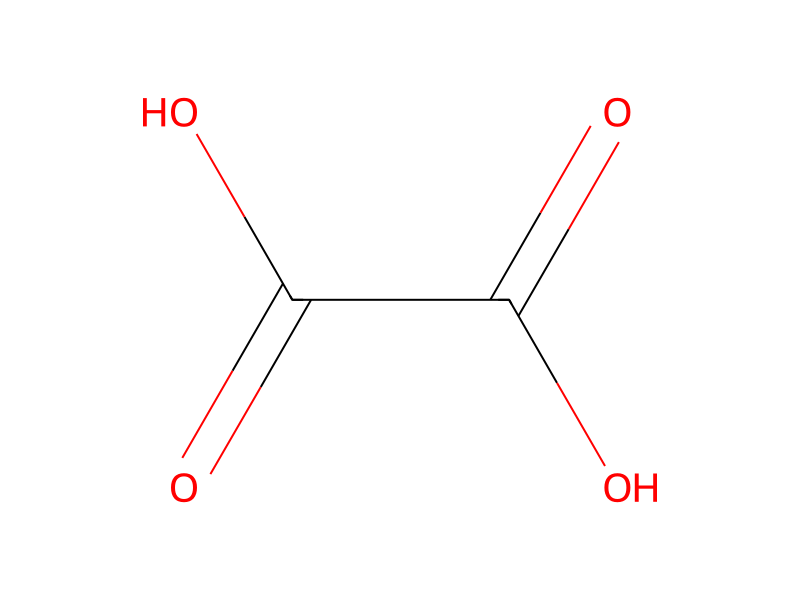

Product 1

Reagents, catalysts & solvents 1

Procedure
The filtrate solution containing the twice-purified lanthanum was acidified, using 200 mL of hydrochloric acid (37.5% by weight). Then a stoichiometric amount of oxalic acid in 1000 mL water was slowly added to the heated lanthanum solution (approximately 70° C.), resulting in a lanthanum oxalate precipitate. The precipitate was recovered by filtering the suspension using a sintered glass crucible of coarse porosity. The precipitate was washed with 3 liters of distilled water, dried and then heated in air to convert it to 150 g of lanthanum oxide (85% yield).
Sources & evidence
- ORD record
- ord-32a6d6e72b614ccdb3d3195d9ab1e380
- Source dataset
- uspto-grants-1981_05
- Patent number
- US04265862
Reaction notes
Loading…