Hydrochloric Acid → 2-(((5-Methyl-1H-imidazol-4-yl)methyl)thio)ethylamine dihydrochloride
Reaction equation

CN[CH2:3][C:4]1[N:5]=[CH:6][NH:7][C:8]=1[CH3:9].C(N)CCC.C(NCCCC)CCC.C(NCC1N=CNC=1C)CCC.C(N(CC1N=CNC=1C)CCCC)CCC.[NH2:52][CH2:53][CH2:54][SH:55].[ClH:56]>>[ClH:56].[ClH:56].[NH2:52][CH2:53][CH2:54][S:55][CH2:3][C:4]1[N:5]=[CH:6][NH:7][C:8]=1[CH3:9]Participants
8
Reactant 7

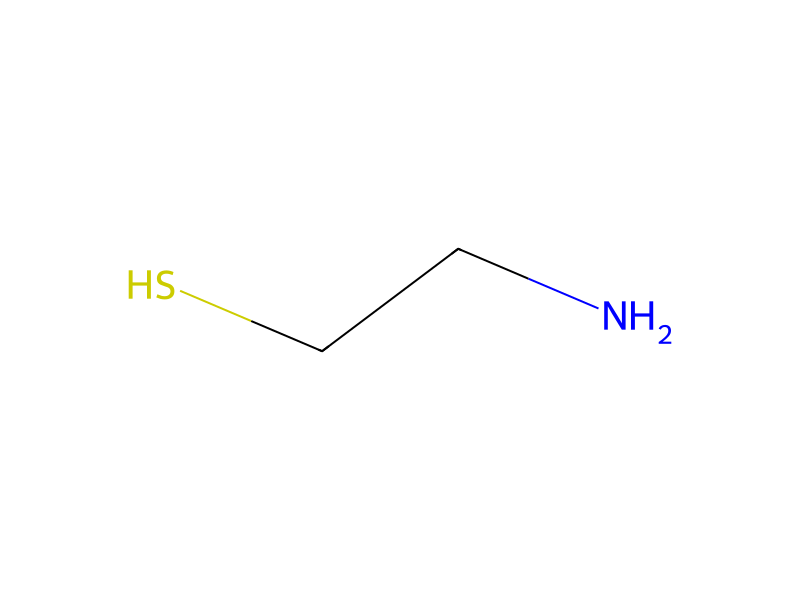


Product 1

Procedure
By the same procedure, using methylene in place of dimethylamine, 4-(N-methylaminomethyl)-5-methylimidazole is prepared. In the same way, using butylamine and dibutylamine, 4-(N-butylaminomethyl)-5-methylimidazole and 4-(N,N-dibutylaminomethyl)-5-methylimidazole are prepared. Refluxing these intermediates with cysteamine by the above procedure and treating with hydrochloric acid gives 4-(2-aminoethyl)thiomethyl-5-methylimidazole dihydrochloride.
Workup
- customis prepared
- customare prepared
Sources & evidence
- ORD record
- ord-4994af41f0fa44a19c02c3144c0bcce2
- Source dataset
- uspto-grants-1981_05
- Patent number
- US04267337
Reaction notes
Loading…