1-Chloro-4-nitrobenzene → Carbamic acid, N-(4-chlorophenyl)-, ethyl ester
Reaction equation

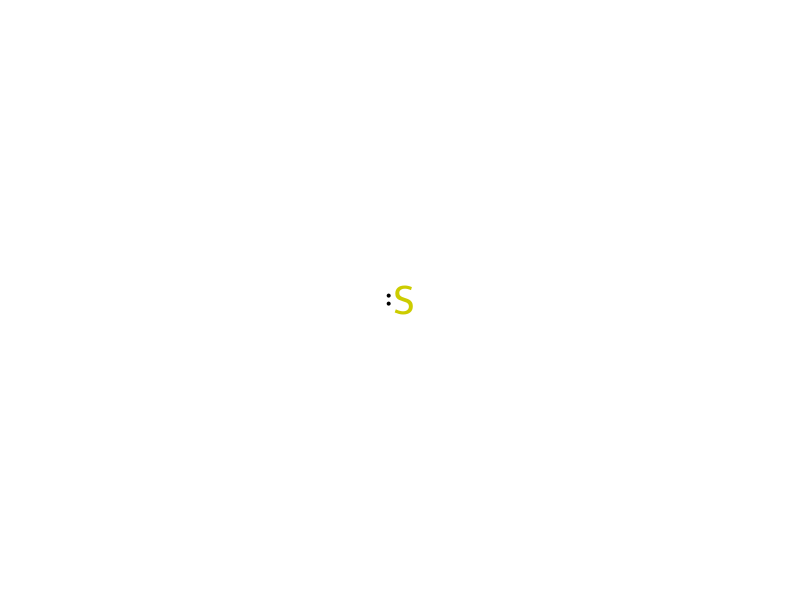
[N+:1]([C:4]1[CH:9]=[CH:8][C:7]([Cl:10])=[CH:6][CH:5]=1)([O-])=O.[S].Cl[C:13]1[CH:19]=CC(N)=CC=1.[C:20]([O-:23])(=[O:22])C.[K+]>[Se].C(NCCCC)CCC.C(O)C>[CH2:19]([O:23][C:20](=[O:22])[NH:1][C:4]1[CH:9]=[CH:8][C:7]([Cl:10])=[CH:6][CH:5]=1)[CH3:13]Participants
8
Reactant 4



Product 1

Reagents, catalysts & solvents 3



Procedure
26.6 g of 4-nitrochlorobenzene, 2.0 g of sulphur, 0.2 g of metallic selenium, 4.4 g of 4-chloroaniline, 2.36 g of potassium acetate, 3 g of the metal oxide mixture used in Example 1, 1.28 g of di-n-butylamine and 169 g of absolute ethanol were reacted together at 180° C. as described in Example 1. The reaction mixture was worked up as described in Example 1 and yielded 24.5 g of ethyl-N-(4-chlorophenyl)-carbamate, b.p. 118°-120° C./0.2 mm. The substance was 98.5% pure according to gas chromatographic analysis.
Workup
- customwere reacted together at 180° C.
Sources & evidence
- ORD record
- ord-405350589fb0467ea5d9dd69149489bf
- Source dataset
- uspto-grants-1981_05
- Patent number
- US04267353
Reaction notes
Loading…