Phosphoric Acid → 6-Hydroxy-2,5,7-trimethyl-2-cyanochromane
Reaction equation

[CH3:1][C:2]1[CH:8]=[C:7]([OH:9])[CH:6]=[C:5]([CH3:10])[C:3]=1[OH:4].[CH3:11][C:12](O)([C:15]#[N:16])[CH:13]=[CH2:14].P(=O)(O)(O)O.B(F)(F)F>C1(C)C=CC=CC=1.[N+](C)([O-])=O>[OH:4][C:3]1[C:5]([CH3:10])=[C:6]2[C:7](=[CH:8][C:2]=1[CH3:1])[O:9][C:12]([CH3:11])([C:15]#[N:16])[CH2:13][CH2:14]2Participants
7





Procedure
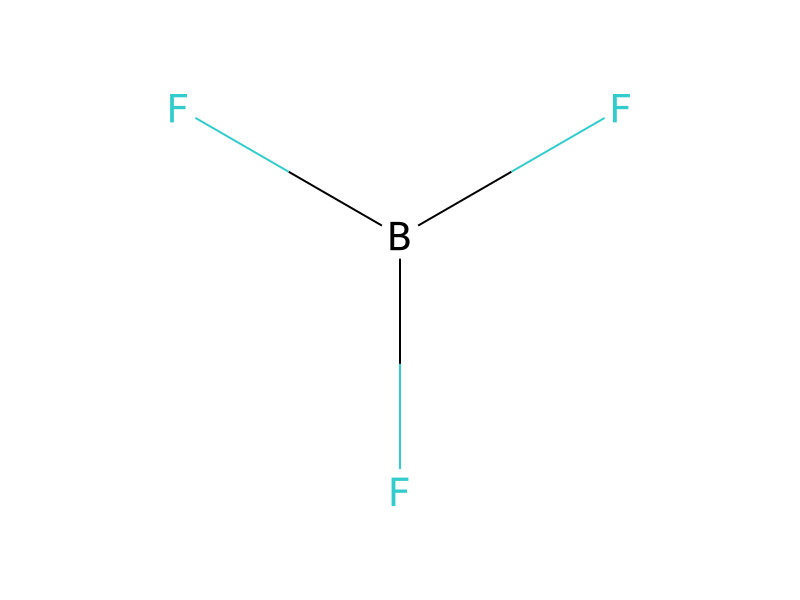
Using the method described in the last paragraph of Example 1, 23.3 g (0.169 mole) of 2,6-dimethylhydroquinone were reacted with 16.6 g (0.169 mole) of methyl vinyl ketone cyanohydrin, stabilized with 1 g of phosphoric acid, in 125 ml of toluene and 17 ml of nitromethane in the presence of 11.5 g (0.169 mole) of BF3. Conventional working up gave 6-hydroxy-2,5,7-trimethyl-2-cyanochromane in the form of colorless crystals, in 79% yield; melting point 135° C.
Sources & evidence
- ORD record
- ord-d20f09824b8441878fd2d51cb5400972
- Source dataset
- uspto-grants-1981_05
- Patent number
- US04268446
Reaction notes
Loading…