2-Bromo-3-pyridinol → HCID 23078502, compound
Reaction equation

Cl[C:2]1[C:11]2[C:6](=[CH:7][C:8]([O:14][CH3:15])=[C:9]([O:12][CH3:13])[CH:10]=2)[N:5]=[CH:4][CH:3]=1.[Br:16][C:17]1[C:22]([OH:23])=[CH:21][CH:20]=[CH:19][N:18]=1>CN(C)C1C=CN=CC=1.ClC1C=CC=CC=1Cl>[Br:16][C:17]1[C:22]([O:23][C:2]2[C:11]3[C:6](=[CH:7][C:8]([O:14][CH3:15])=[C:9]([O:12][CH3:13])[CH:10]=3)[N:5]=[CH:4][CH:3]=2)=[CH:21][CH:20]=[CH:19][N:18]=1Participants
5
Reactant 2
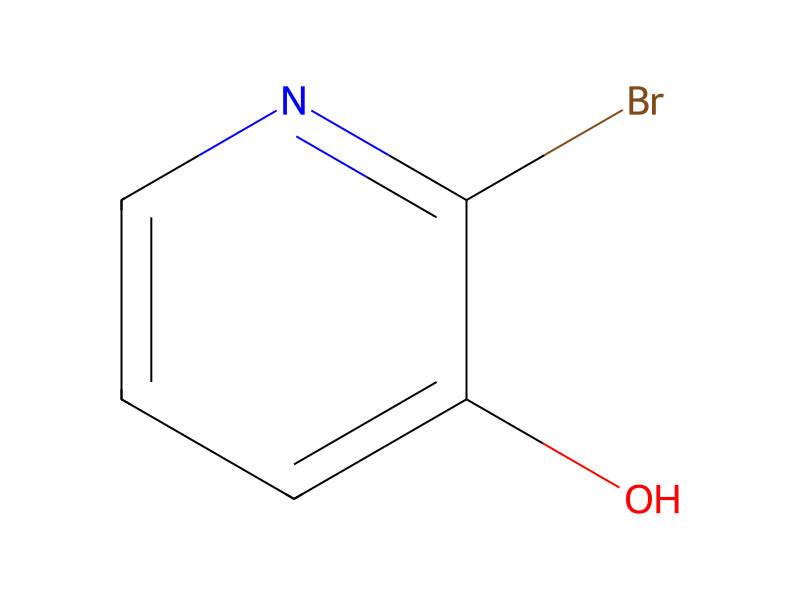

Product 1

Reagents, catalysts & solvents 2


Conditions
- Temperature
- 140 °C
Procedure
4-Chloro-6,7-dimethoxyquinoline (226 mg), 2-bromo-3-pyridinol (250 mg), and 4-dimethylaminopyridine (400 mg) were suspended in o-dichlorobenzene (10 ml), and the suspension was stirred at 140° C. for 2 hr. The reaction solution was cooled to room temperature, the solvent was then removed by distillation under the reduced pressure, and the residue was purified by column chromatography using acetone-chloroform to give the title compound (21 mg, yield 6%).
Workup
- temperatureThe reaction solution was cooled to room temperature
- customthe solvent was then removed by distillation under the reduced pressure
- customthe residue was purified by column chromatography
Sources & evidence
- ORD record
- ord-a78e8e9815d345d4ab26a5ba867cfd67
- Source dataset
- uspto-grants-2009_07
- Patent number
- US07560558B2
Reaction notes
Loading…