Dibromodifluoromethane → 4-bromo-4,4-difluorobutanoic acid
Reaction equation

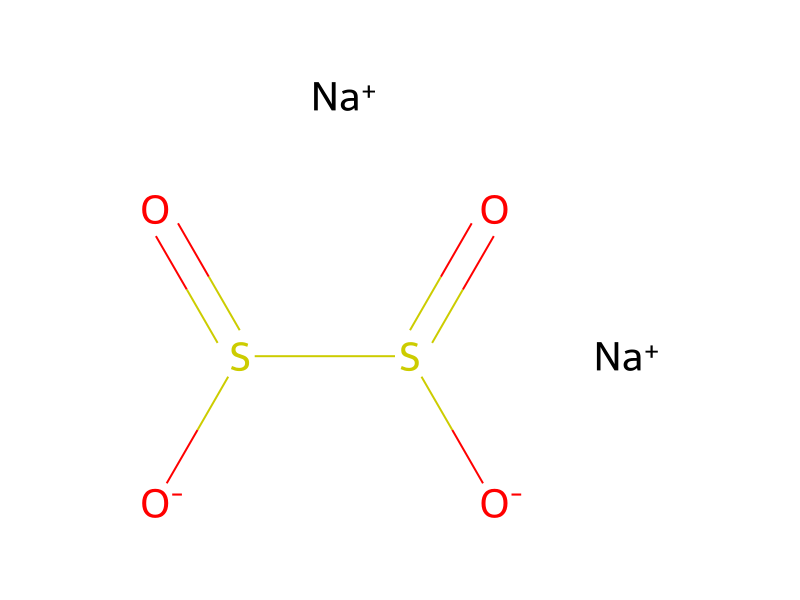
[C:1]([OH:5])(=[O:4])[CH:2]=[CH2:3].S(S([O-])=O)([O-])=O.[Na+].[Na+].C(=O)(O)[O-].[Na+].[Br:19][C:20](Br)([F:22])[F:21]>C(OCC)(=O)C.O.C(#N)C>[Br:19][C:20]([F:22])([F:21])[CH2:3][CH2:2][C:1]([OH:5])=[O:4]Participants







Procedure
To a stirred solution of acrylic acid (1.44 g) and acetonitrile (80 cm3) was added sodium dithionite (4.18 g), sodium bicarbonate (2.01 g), water (20 cm3) and finally dibromodifluoromethane (5 cm3). The biphasic mixture was stirred at the ambient temperature with the inorganic salts gradually dissolving. GC analysis after 4 hours indicated complete consumption of acrylic acid. The aqueous phase was saturated with solid sodium chloride. The organic phase was separated, dried over magnesium sulfate, filtered and evaporated under reduced pressure to give a pale yellow oil with a small amount of a white solid. This mixture was taken up in ethyl acetate, filtered and solvent evaporated under reduced pressure to give a pale yellow oil (2.54 g). 1H NMR (DMSO): δ2.45(2H,t); 2.65(2H,m).
Workup
- dissolutiongradually dissolving
- customconsumption of acrylic acid
- customThe organic phase was separated
- dry with materialdried over magnesium sulfate
- filtrationfiltered
- customevaporated under reduced pressure
- customto give a pale yellow oil with a small amount of a white solid
- filtrationfiltered
- customsolvent evaporated under reduced pressure
Sources & evidence
- ORD record
- ord-8108192378c345408cf05dfca452b0de
- Source dataset
- uspto-grants-1997_11
- Patent number
- US05684011
Reaction notes
Loading…