Ethylmorpholine → L-Isoleucine
Reaction equation

C(CN1CCC[C@H]1C(N(CC1C=CC=CC=1)[C:10](=[O:17])[C@H:11]([C@H:13]([CH2:15][CH3:16])[CH3:14])[NH2:12])=O)(O)=O.C(N1CC[O:33]CC1)C.ClC(OCC(C)C)=O.CC1CCCCN1>C(#N)C>[NH2:12][C@H:11]([C:10]([OH:17])=[O:33])[C@H:13]([CH2:15][CH3:16])[CH3:14]Participants
6
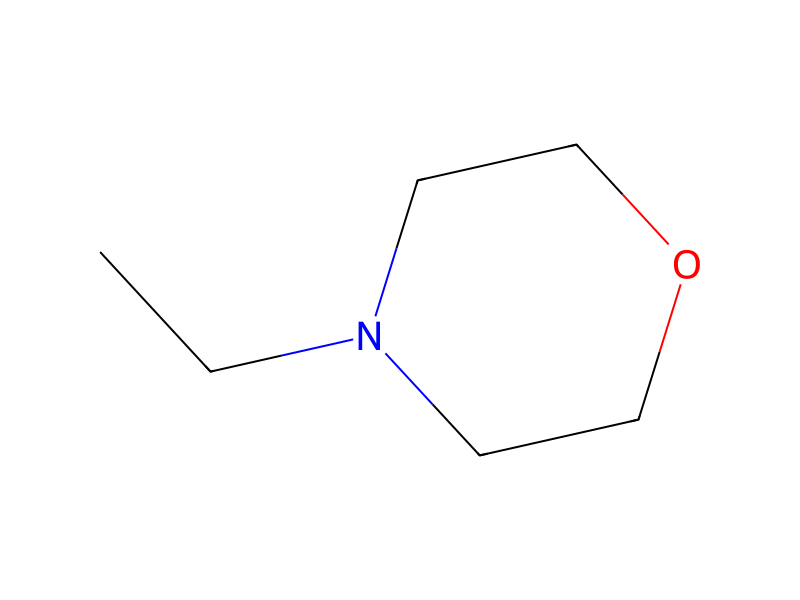


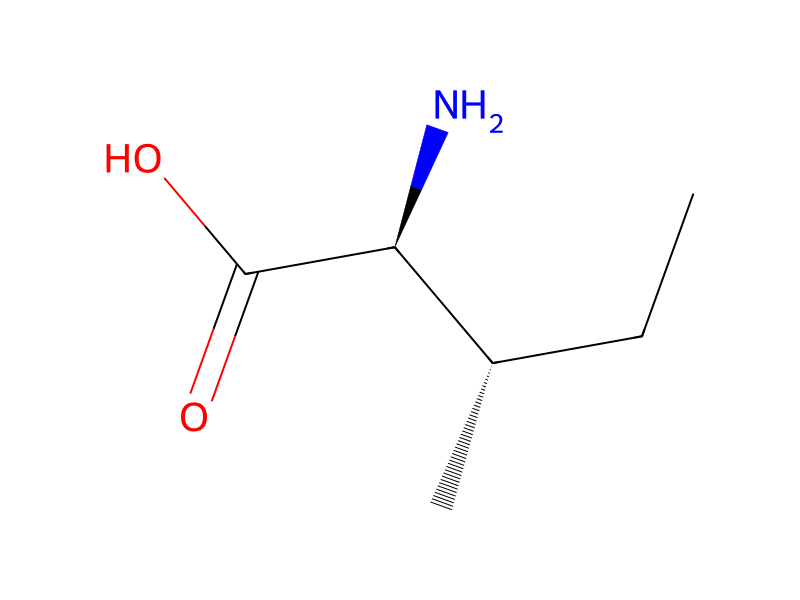

Conditions
- Temperature
- 22 °C
Procedure
A -5° C. solution of L-isoleucine, N-[1-(carboxymethyl)-L-prolyl] benzylamide (202 mg, 0.53 mmol, 1.0 eq), N-ethylmorpholine (82 uL, 0.64 mmol, 1.20 eq) in acetonitrile (8 mL) was treated with isobutyl chloroformate (80 uL, 0.62 mmol, 1.15 eq) followed by 2-methylpiperidine (0.106 g, 1.07 mmol, 2.0 eq). The solution was warmed to 22° C., concentrated to a residue, and purified by flash chromatography to provide 80 mg (32%) of L-isoleucine, N-[1-[2-(N-(2-methylpiperidine))-2-oxoethyl]-L-prolyl] benzylamide as a colorless oil.
Workup
- concentrationconcentrated to a residue
- custompurified by flash chromatography
Sources & evidence
- ORD record
- ord-191246fddc3e49438f3f690b4a7735a8
- Source dataset
- uspto-grants-1997_11
- Patent number
- US05686424
Reaction notes
Loading…