2,6-Lutidine → HCID 11150214, compound
Reaction equation

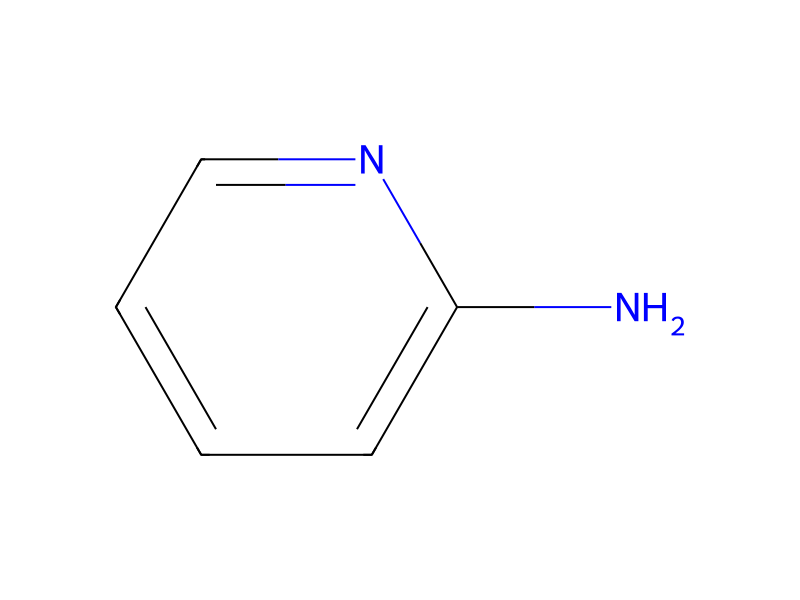
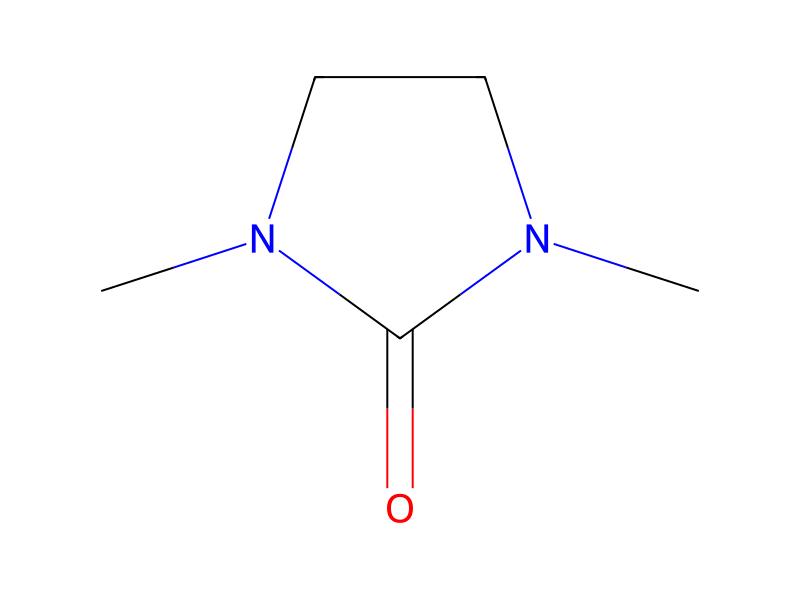
[NH2:1][C:2]1[CH:7]=[CH:6][CH:5]=[CH:4][N:3]=1.Cl[CH2:9][C:10]([NH:12][C:13]([NH:15][CH2:16][CH3:17])=[O:14])=O.[N:18]1[C:23](C)=[CH:22][CH:21]=[CH:20][C:19]=1C>CN1CCN(C)C1=O.CCOC(C)=O>[CH2:10]([NH:12][C:13]([NH:15][C:16]1[N:1]=[C:2]2[CH:7]=[C:6]([C:20]3[CH:19]=[N:18][CH:23]=[CH:22][CH:21]=3)[CH:5]=[CH:4][N:3]2[CH:17]=1)=[O:14])[CH3:9]Participants
6




Procedure
A solution of aminopyridine (3) (0.73 g, 4.26 mmol), N-(chloroacetyl)-N′-ethylurea (0.84 g, 5.10 mmol) and 2,6-lutidine (0.59 mL, 5.10 mmol) in 1,3-dimethyl-2-imidazolidinone (7 mL) was warmed under nitrogen at 110° C. for 5 hours. The mixture was diluted with EtOAc and washed with water (6×), then adsorbed onto silica by removal of solvent in vacuo. Silica gel chromatography (EtOAc gradient to MeOH/EtOAc (2:23)) provided the product (0.76 mg, 6%) as a solid, mp 290-294° C. (decomposed).
Workup
- washwashed with water (6×)
- customadsorbed onto silica by removal of solvent in vacuo
Sources & evidence
- ORD record
- ord-6490bd125a8a415bb210572dbd318081
- Source dataset
- uspto-grants-2009_07
- Patent number
- US07563788B2
Reaction notes
Loading…