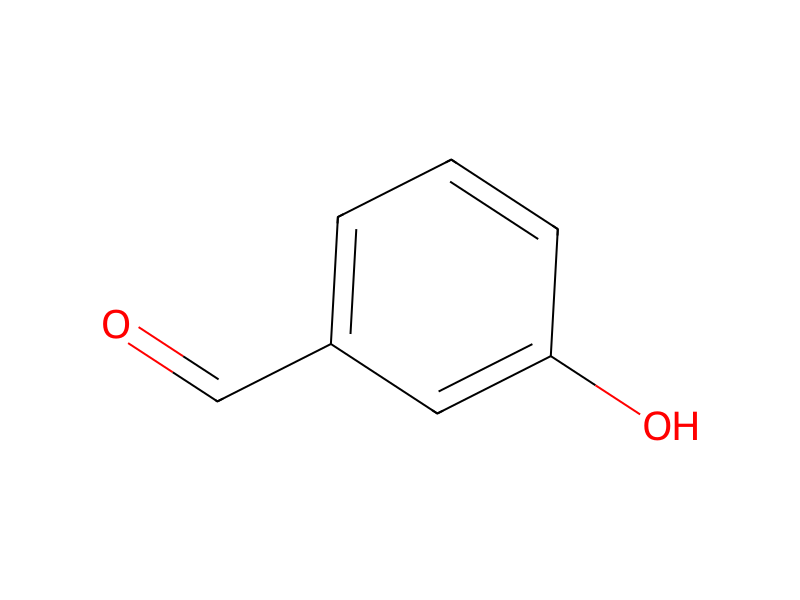
3-Hydroxybenzaldehyde → HCID 54737842, compound
Reaction equation

[CH2:1]([Mg]Br)[CH3:2].[OH:5][C:6]1[CH:7]=[C:8]([CH:11]=[CH:12][CH:13]=1)[CH:9]=O.[CH2:14](Br)[CH:15]=[CH2:16].[OH:18][C:19]1[C:28]2[C:23](=[CH:24][CH:25]=[CH:26][CH:27]=2)[O:22][C:21](=[O:29])[CH:20]=1.B(F)(F)F.CCOCC>>[CH2:14]([O:5][C:6]1[CH:7]=[C:8]([CH:9]([C:20]2[C:21](=[O:29])[O:22][C:23]3[C:28]([C:19]=2[OH:18])=[CH:27][CH:26]=[CH:25][CH:24]=3)[CH2:1][CH3:2])[CH:11]=[CH:12][CH:13]=1)[CH:15]=[CH2:16]Participants
6



Procedure
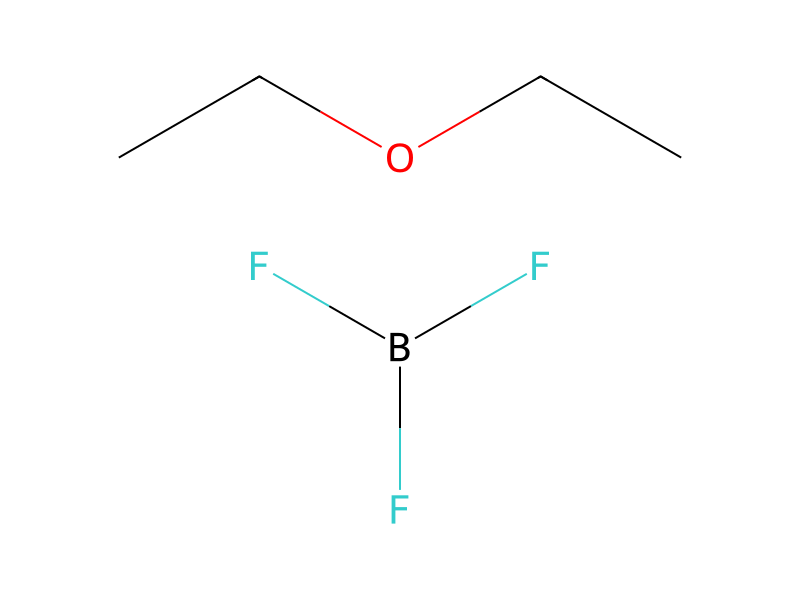
Addition of ethylmagnesium bromide to 3-hydroxy benzaldehyde gives the compound of formula G-2, which can be alkylated with allyl bromide to give the compound of formula G-3. Reaction between 4-hydroxycoumarin and the compound of formula G-3 using boron trifluoride etherate as an acidic catalyst gives the compound of formula G-4 (for example, 3-(1'-(3-Allyloxyphenyl)propyl)-4-hydroxycoumarin.
Workup
- customgives the compound of formula G-2, which
- customto give the compound of formula G-3
Sources & evidence
- ORD record
- ord-b0438fdc88ae4fa58dd6cf47d96c0331
- Source dataset
- uspto-grants-1997_11
- Patent number
- US05686486
Reaction notes
Loading…