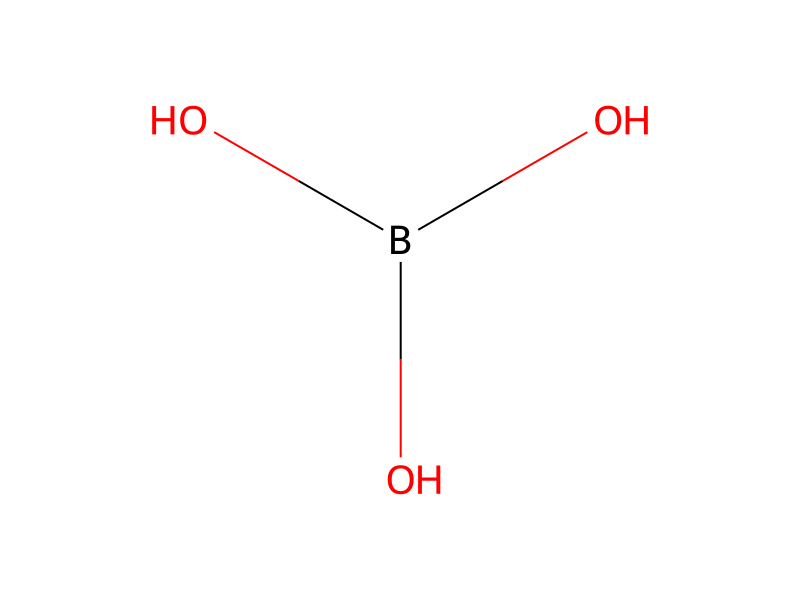
Boric Acid → HCID 3915367, compound
Reaction equation

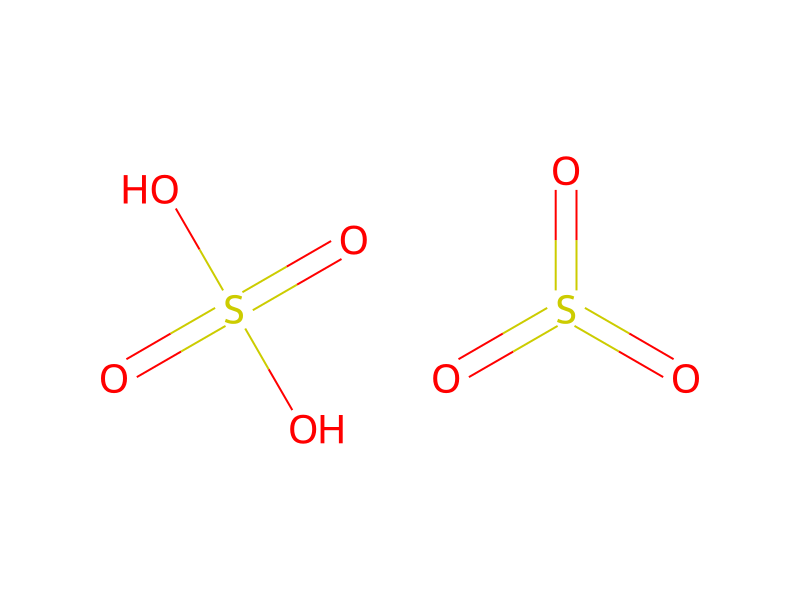
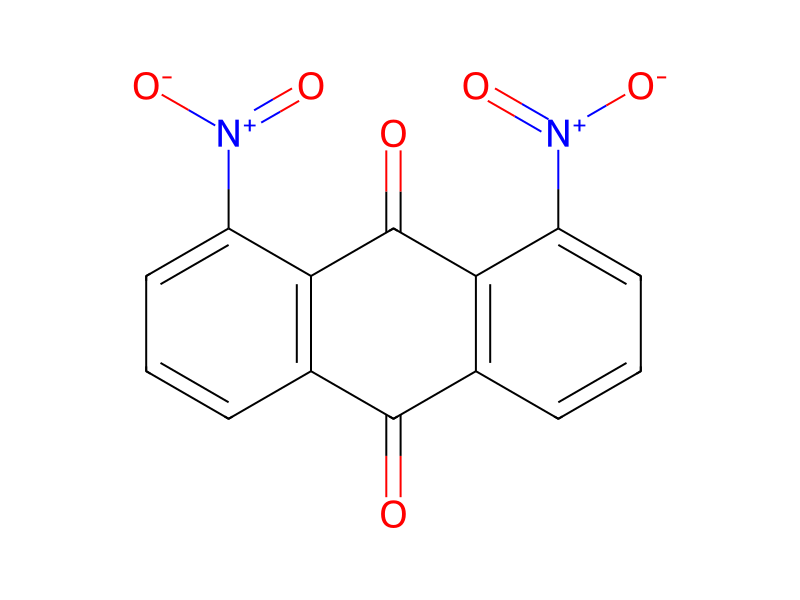
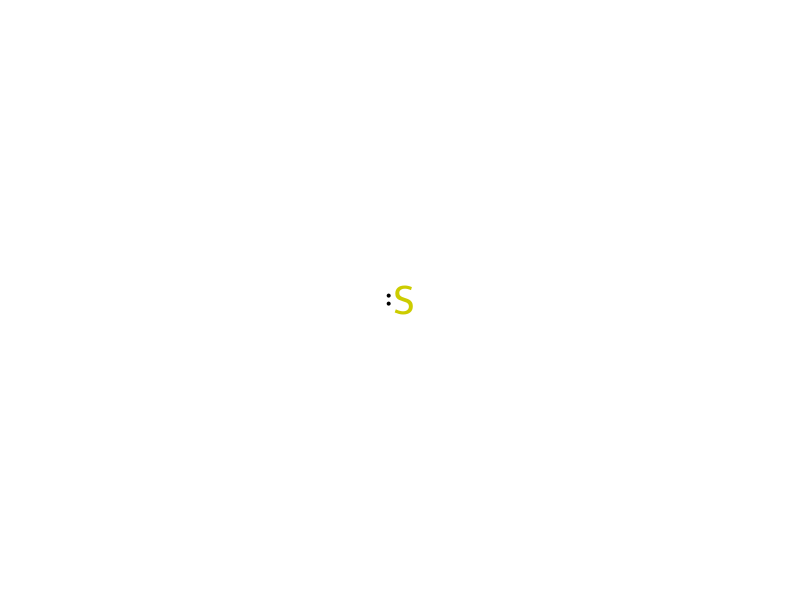
[N+:1]([C:4]1[C:17]2[C:16](=[O:18])[C:15]3[C:10](=[CH:11][CH:12]=[CH:13][C:14]=3[N+:19]([O-:21])=[O:20])[C:9](=[O:22])[C:8]=2[CH:7]=[CH:6][CH:5]=1)([O-])=O.[OH:23]S(O)(=O)=O.O=S(=O)=O.B(O)(O)O.[S]>>[OH:23][C:7]1[C:8]2[C:9](=[O:22])[C:10]3[C:15](=[C:14]([N+:19]([O-:21])=[O:20])[CH:13]=[CH:12][CH:11]=3)[C:16](=[O:18])[C:17]=2[C:4]([NH2:1])=[CH:5][CH:6]=1Participants
5

Conditions
- Temperature
- 60 °C
Procedure
100 parts of 1,8-dinitroanthraquinone are added to a reaction mixture prepared from 1,000 parts of 20% strength oleum and 25 parts of boric acid. 15 parts of sulphur are then added at room temperature in the course of 25 minutes, and the reaction mixture is warmed to 60° C. and maintained at this temperature with stirring for 4 hours. After cooling down, the reaction product is precipitated out by the dropwise addition of 158 parts of 78% strength sulphuric acid and 500 parts of water, in each case with cooling, and isolated as indicated in Example 1. 61.6 parts of 1-hydroxy-4-amino-5-nitroanthraquinone are obtained.
Workup
- temperaturemaintained at this temperature
- temperatureAfter cooling down
- customthe reaction product is precipitated out by the dropwise addition of 158 parts of 78% strength sulphuric acid and 500 parts of water, in each case
- temperaturewith cooling
- customisolated
Sources & evidence
- ORD record
- ord-8d9ec96b9e0b463a9ffab7b8c3289b23
- Source dataset
- uspto-grants-1984_01
- Patent number
- US04424160
Reaction notes
Loading…