9,10-Anthracenedione, 1,5-dinitro- → HCID 19851211, compound
Reaction equation

[N+:1]([C:4]1[C:17]2[C:16](=[O:18])[C:15]3[C:10](=[C:11]([N+:19]([O-])=O)[CH:12]=[CH:13][CH:14]=3)[C:9](=[O:22])[C:8]=2[CH:7]=[CH:6][CH:5]=1)([O-])=O.[OH:23]S(O)(=O)=O.O=S(=O)=O.B(O)(O)O.[S]>>[OH:23][C:14]1[C:15]2[C:16](=[O:18])[C:17]3[C:8](=[CH:7][CH:6]=[CH:5][C:4]=3[NH2:1])[C:9](=[O:22])[C:10]=2[C:11]([NH2:19])=[CH:12][CH:13]=1Participants
5



Procedure
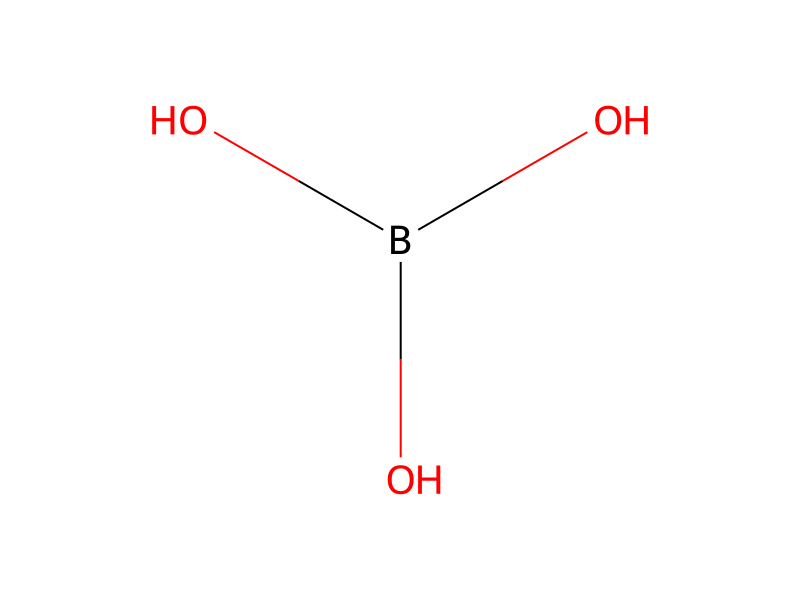
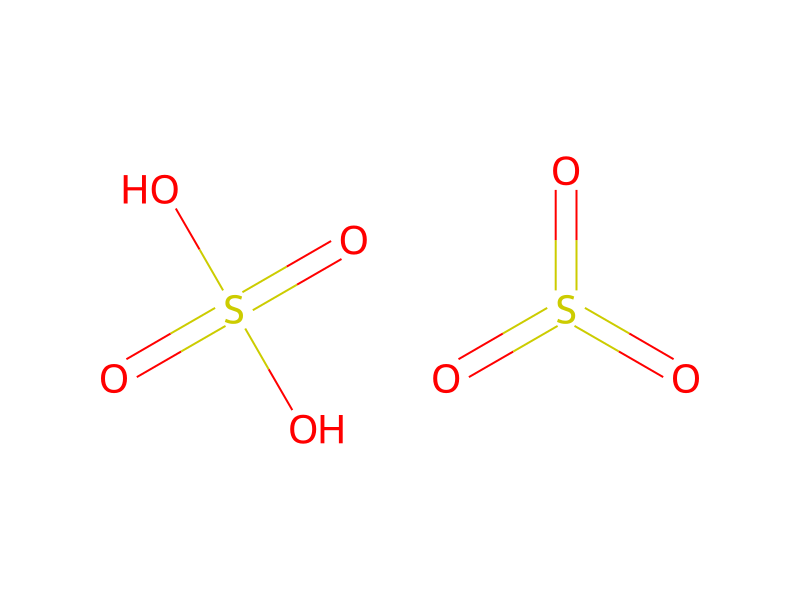
100 parts of 1,5-dinitroanthraquinone are reduced as indicated in Example 3 with 35% strength oleum in the presence of boric acid by means of sulphur. The batch is then discharged onto 4,000 parts of ice and the product is filtered off with suction. After washing until neutral, 98 parts of 1-hydroxy-4-amino-8-nitroanthraquinone are obtained in the form of a 38% strength presscake, which can be reduced, for example to give 1-hydroxy-4,8-diaminoanthraquinone.
Workup
- filtrationthe product is filtered off with suction
- washAfter washing until neutral, 98 parts of 1-hydroxy-4-amino-8-nitroanthraquinone
- customare obtained in the form of a 38% strength presscake, which
Sources & evidence
- ORD record
- ord-2605c656e7fa49b990927ab43148a7d7
- Source dataset
- uspto-grants-1984_01
- Patent number
- US04424160
Reaction notes
Loading…