Potassium Carbonate → 2-(4-Trifluoromethylphenylamino)-3-methylbutanoic acid
Reaction equation

[NH2:1][C@H:2]([C:6]([O-:8])=[O:7])[CH:3]([CH3:5])[CH3:4].[K+].F[C:11]1[CH:16]=[CH:15][C:14]([C:17]([F:20])([F:19])[F:18])=[CH:13][CH:12]=1.C(=O)([O-])[O-].[K+].[K+].S1(CCCC1)(=O)=O>>[F:18][C:17]([F:20])([F:19])[C:14]1[CH:15]=[CH:16][C:11]([NH:1][CH:2]([CH:3]([CH3:5])[CH3:4])[C:6]([OH:8])=[O:7])=[CH:12][CH:13]=1Participants
5




Conditions
- Temperature
- 100 °C
Procedure
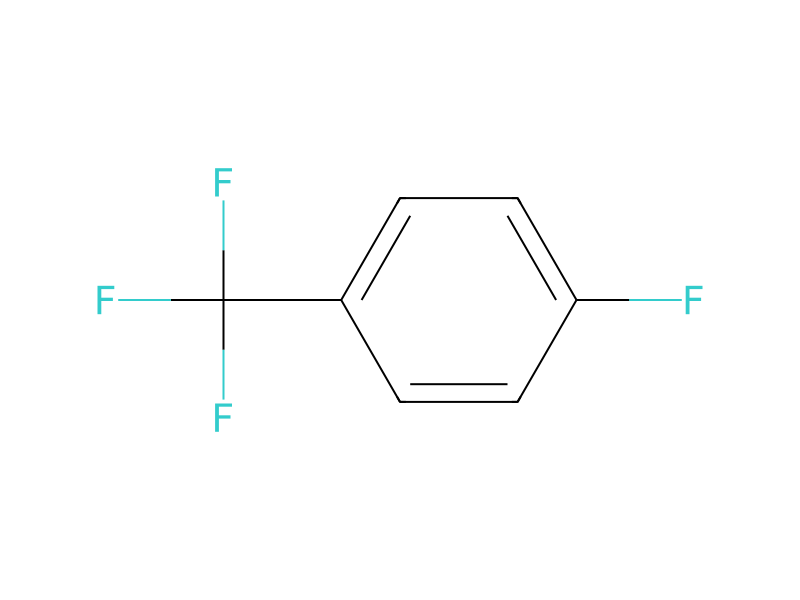
A mixture of 30 parts of potassium valinate, 15 parts of p-fluoro-benzotrifluoride, 7 parts of dichlorohexano-18-crown-6 ether catalyst, 10 parts of potassium carbonate and 126 parts of sulfolane was placed in a pressure reactor. The reactor was degassed, placed under an argon atmosphere and sealed. The reaction mixture was then heated and maintained at about 100° C. for about 15 hours. Analysis of the reaction product indicated a 7.0% yield of 2-(4-trifluoromethylphenylamino)-3-methylbutanoic acid based on p-fluorobenzotrifluoride starting material.
Workup
- customwas placed in a pressure reactor
- customThe reactor was degassed
- customsealed
- temperatureThe reaction mixture was then heated
Sources & evidence
- ORD record
- ord-1c349073ebbe4b74acecb5e87ed26dd9
- Source dataset
- uspto-grants-1984_01
- Patent number
- US04424396
Reaction notes
Loading…