Chloride → 4-tert-Butylphenol
Reaktionsgleichung

[C:1]1([OH:7])[CH:6]=[CH:5][CH:4]=[CH:3][CH:2]=1.B(F)(F)F.CCOCC.[Cl-].[CH3:18][C:19]1[C:25](=O)NC(=O)N([C@@H]2O[C@@H]3COP(O)(O[C@H]3C2)=O)[CH:20]=1.ClCl>>[C:19]([C:4]1[CH:5]=[CH:6][C:1]([OH:7])=[CH:2][CH:3]=1)([CH3:25])([CH3:20])[CH3:18]Komponenten




Versuchsvorschrift
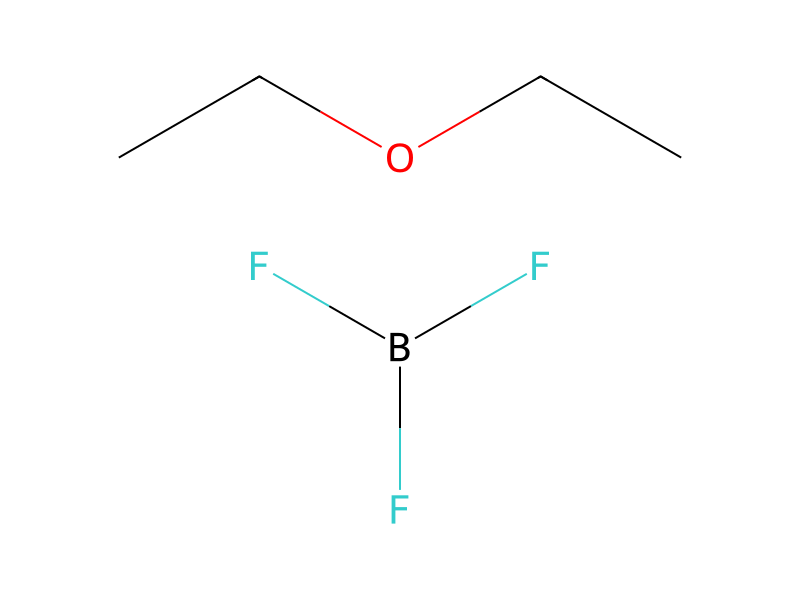
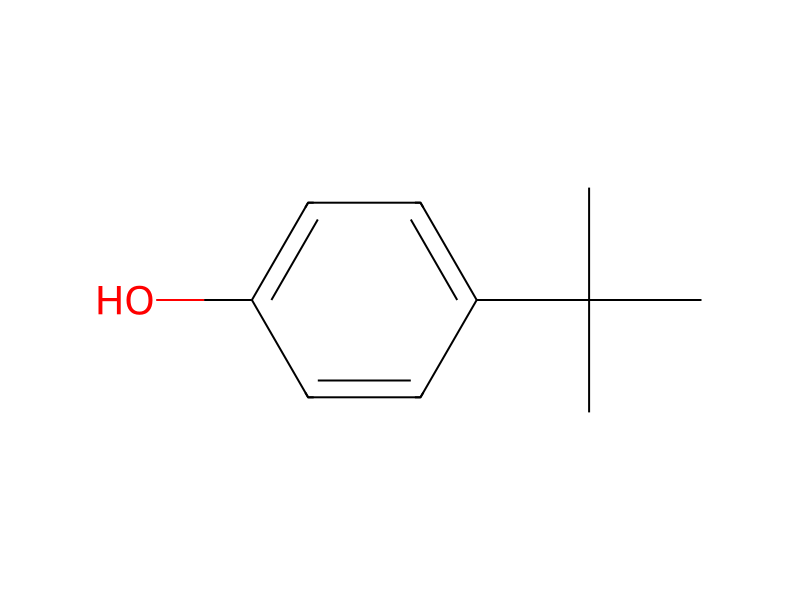
To a solution of phenol, 1 molar in hexanes, at 40°-45° C. stirred in a three neck flask fitted with condenser, pressure-equalized dropping funnels, magnetic stirrer and dry-nitrogen inlet/outlet, was added freshly distilled undiluted boron trifluoride etherate (0.07 mole). Subsequently olefin or tert.-chloride (0.2 molar in hexanes) was added dropwise. The olefins used were the model compound TMP, or the olefin telechelic PIB; the tert.-chlorides used were CTMP, or the tert.-chloride telechelic PIB. The olefin end group concentration of the olefin telechelic PIB was determined by 1H NMR and it was assumed that the precursor, i.e., the tert.-chlorine telechelic PIB, contained the same concentration of end groups. After the addition was complete (8-10 hours) the temperature was raised to 50°-55° C. and stirring was continued for ~30 hours. It was observed that in the presence of more than 10% of the catalyst based on the total quantity of phenol, and at a relatively high temperature of ~60° C., cracking of TMP occurred and p-tert.-butyl phenol was obtained. The reactor was cooled to room temperature and the brown oily layer (if any) was removed. Approximately 200 ml water were slowly added and the content of the flask was transferred to a separatory funnel. The aqueous layer was removed and the organic layer washed 8-10 times with hot water (40°-50° C.) followed by washing with 50% aqueous solution of methanol. The methanol was removed by washing with cold water. Great care must be taken to remove even traces of free phenol. The presence of phenol in the washing water was monitored by its UV absorption. Washing was continued until the aqueous and the organic layer were free of phenol (GPC technique, UV detector). The organic layer was dried over anhydrous Na2SO4, the solvent then removed by rotary evaporation and the product was dried at 60° C. under vacuum.
Aufarbeitung
- customfitted with condenser
- customdry-nitrogen inlet/outlet
- concentrationthe same concentration of end groups
- additionAfter the addition
- custom(8-10 hours)
- temperaturewas raised to 50°-55° C.
- waitwas continued for ~30 hours
- customat a relatively high temperature of ~60° C.
Quellen und Nachweise
- ORD-Eintrag
- ord-35a44e061b2345ce87160ebaf11f4531
- Quelldatensatz
- uspto-grants-1984_01
- Patentnummer
- US04429099
Notizen zur Reaktion
Wird geladen…