Isopropyl iodide → 3-isopropoxynitrobenzene
Reaction equation

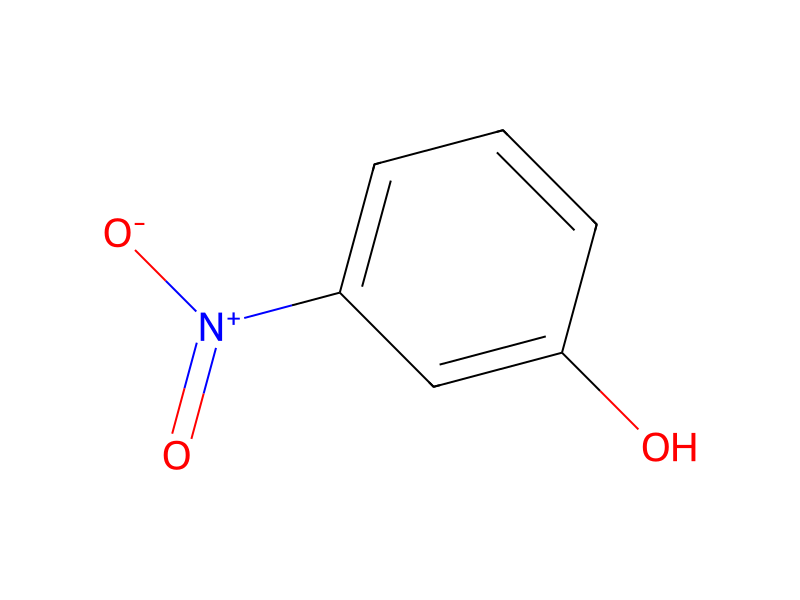
[N+:1]([C:4]1[CH:5]=[C:6]([OH:10])[CH:7]=[CH:8][CH:9]=1)([O-:3])=[O:2].[CH:11](I)([CH3:13])[CH3:12].C([O-])([O-])=O.[K+].[K+]>CC(C)=O>[CH:11]([O:10][C:6]1[CH:5]=[C:4]([N+:1]([O-:3])=[O:2])[CH:9]=[CH:8][CH:7]=1)([CH3:13])[CH3:12]Participants
5
Reactant 3


Product 1

Reagents, catalysts & solvents 1

Procedure
3-nitrophenol (50.0 g, 360 mmol), isopropyl iodide (76.19 g, 450 mmol), and K2CO3 (60 g) were combined and heated at reflux under N2 overnight in acetone (400 mL). After solvent removal in vacuo, the residue was partitioned between EtOAc and H2O. The separated organic layer was washed with 1 N NaOH, brine, dried over Na2SO4, and concentrated in vacuo to provide 56 g (86%) of 3-isopropoxynitrobenzene as a clear yellow oil.
Workup
- temperatureheated
- customAfter solvent removal in vacuo
- customthe residue was partitioned between EtOAc and H2O
- washThe separated organic layer was washed with 1 N NaOH, brine
- dry with materialdried over Na2SO4
- concentrationconcentrated in vacuo
Sources & evidence
- ORD record
- ord-07636d8e6a6d42d09c34c399858e1c18
- Source dataset
- uspto-grants-2002_12
- Patent number
- US06492531B1
Reaction notes
Loading…