6-Bromo-2-naphthalenol → 6-Hydroxy-2-naphthonitrile
Reaction equation

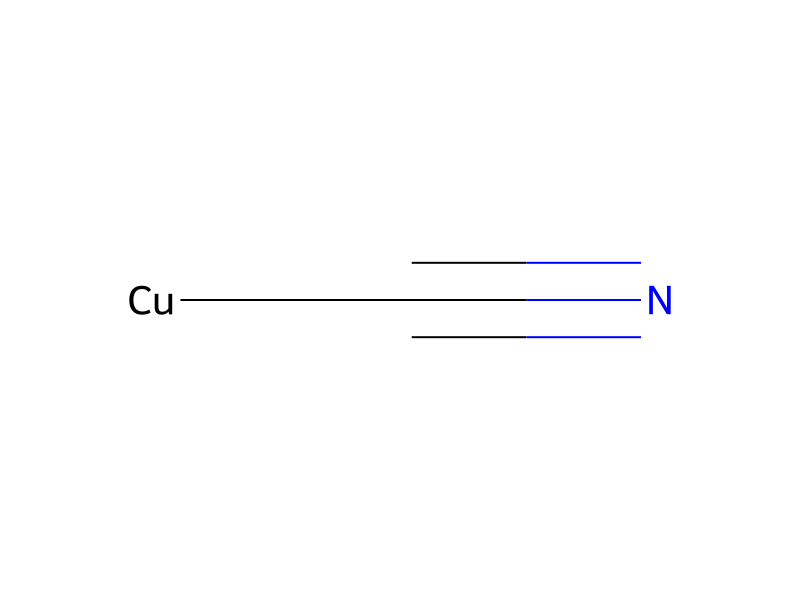
Br[C:2]1[CH:3]=[C:4]2[C:9](=[CH:10][CH:11]=1)[CH:8]=[C:7]([OH:12])[CH:6]=[CH:5]2.[Cu][C:14]#[N:15]>CN(C=O)C.C(OCC)(=O)C>[OH:12][C:7]1[CH:8]=[C:9]2[C:4](=[CH:5][CH:6]=1)[CH:3]=[C:2]([C:14]#[N:15])[CH:11]=[CH:10]2Participants
5
Reactant 2

Product 1

Reagents, catalysts & solvents 2


Procedure
A solution of 6-bromo-2-naphthol (25.0 g, 112 mmol) and copper(I) cyanide (11 g, 123 mmol) in DMF (30 mL) was heated to 135° C., stirred for 18 hours, cooled to room temperature, diluted with ethyl acetate (50 mL), triturated with 10% sodium hydroxide, and filtered through diatomaceous earth (Celite®). The filtrate was adjusted to pH 2 and extracted with ethyl acetate. The combined extracts were concentrated, dissolved in ethanol (150 mL), triturated with water, and filtered to provide the desired product.
Workup
- customtriturated with 10% sodium hydroxide
- filtrationfiltered through diatomaceous earth (Celite®)
- extractionextracted with ethyl acetate
- concentrationThe combined extracts were concentrated
- dissolutiondissolved in ethanol (150 mL)
- customtriturated with water
- filtrationfiltered
Sources & evidence
- ORD record
- ord-f800b90182294d7b892fd020886e59f1
- Source dataset
- uspto-grants-2002_12
- Patent number
- US06495562B1
Reaction notes
Loading…