Trifluoroacetic acid → 9-methylcarbamoylmethyl-2,3,4,9-tetrahydro-1H-pyrido[3,4-b]indole
Reaction equation

C(OC([N:8]1[CH2:20][CH2:19][C:18]2[C:17]3[C:12](=[CH:13][CH:14]=[CH:15][CH:16]=3)[N:11]([CH2:21][C:22](=[O:25])[NH:23][CH3:24])[C:10]=2[CH2:9]1)=O)(C)(C)C.C1(OC)C=CC=CC=1.FC(F)(F)C(O)=O>ClCCl>[CH3:24][NH:23][C:22]([CH2:21][N:11]1[C:12]2[C:17](=[CH:16][CH:15]=[CH:14][CH:13]=2)[C:18]2[CH2:19][CH2:20][NH:8][CH2:9][C:10]1=2)=[O:25]Participants
5
Reactant 3

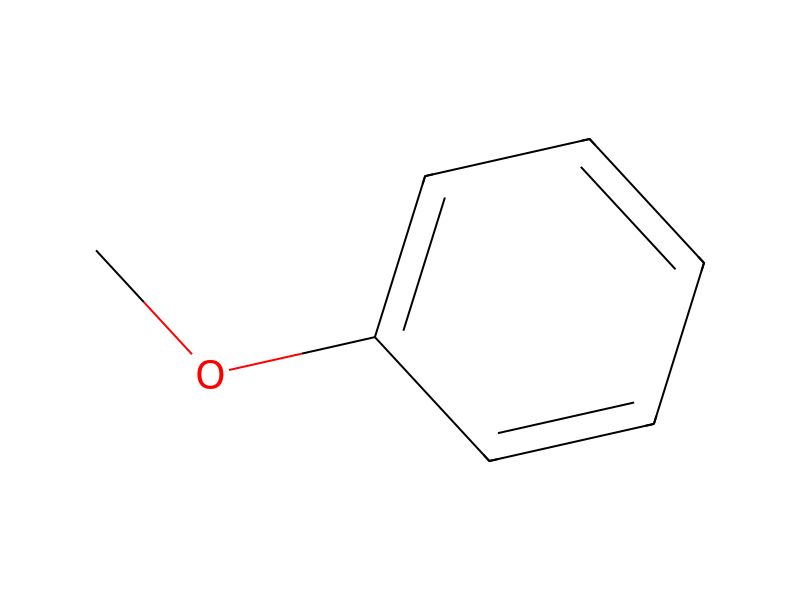

Product 1

Reagents, catalysts & solvents 1

Procedure
A 10 ml portion of dichloromethane solution containing 541 mg (1.58 mmol) of 2-t-butoxycarbonyl-9-methylcarbamoylmethyl-2,3,4,9-tetrahydro-1H-pyrido[3,4-b]indole was mixed with 1 ml of anisole and 1 ml of trifluoroacetic acid and stirred overnight at room temperature. The solvent was removed by evaporation under a reduced pressure, and the resulting residue was precipitated by adding acetone and diisopropyl ether, thereby obtaining 465 mg (89% in yield) of 9-methylcarbamoylmethyl-2,3,4,9-tetrahydro-1H-pyrido[3,4-b]indole as trifluoroacetate.
Workup
- customThe solvent was removed by evaporation under a reduced pressure
- customthe resulting residue was precipitated
- additionby adding acetone and diisopropyl ether
Sources & evidence
- ORD record
- ord-3ed69d17c7ab4a20ac2b8366791cb02f
- Source dataset
- uspto-grants-2002_12
- Patent number
- US06498251B1
Reaction notes
Loading…