Hydrochloric Acid → 1-(4-Cyano-3-fluorobenzyl)-5-(hydroxymethyl)imidazole
Reaction equation

C([O:4][CH2:5][C:6]1[N:10]([CH2:11][C:12]2[CH:17]=[CH:16][C:15]([C:18]#[N:19])=[C:14]([F:20])[CH:13]=2)[CH:9]=[N:8][CH:7]=1)(=O)C.O.[OH-].[Li+].Cl>C1COCC1.O>[C:18]([C:15]1[CH:16]=[CH:17][C:12]([CH2:11][N:10]2[C:6]([CH2:5][OH:4])=[CH:7][N:8]=[CH:9]2)=[CH:13][C:14]=1[F:20])#[N:19]Participants
5




Procedure
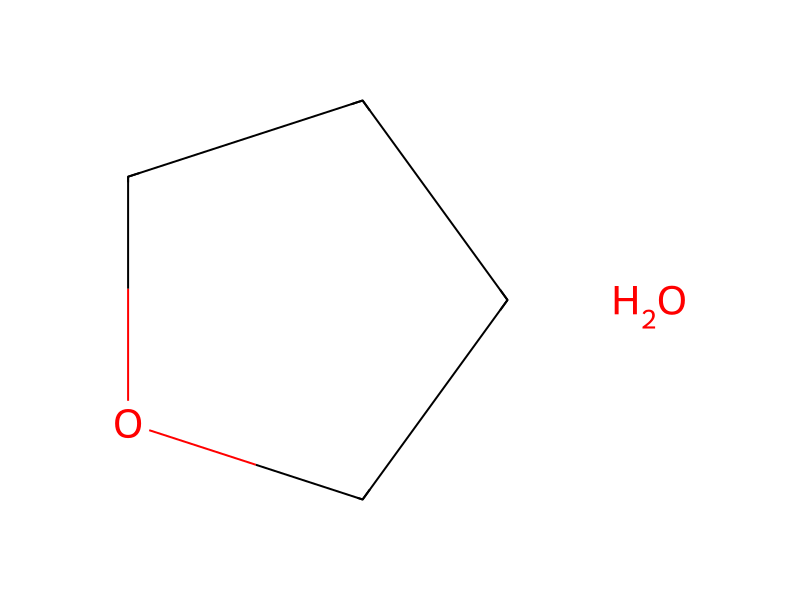
To a solution of 5-(acetoxymethyl)-1-(4-cyano-3-fluorobenzyl) imidazole, as described above in Step E, (19.8 g, 72.5 mmol) in 5:1 THF/water (430 mL) at ambient temperature was added lithium hydroxide monohydrate (3.33 g, 79.4 mmol). After 4 hours, the solution was adjusted to pH 7 with 1.0 N hydrochloric acid and concentrated in vacuo. The residue was concentrated from toluene in vacuo (3×100 mL) to give the titled product as a pale solid.
Workup
- concentrationconcentrated in vacuo
- concentrationThe residue was concentrated from toluene in vacuo (3×100 mL)
Sources & evidence
- ORD record
- ord-f274d50393d44553959beabb5e6768c2
- Source dataset
- uspto-grants-2002_08
- Patent number
- US06441017B1
Reaction notes
Loading…