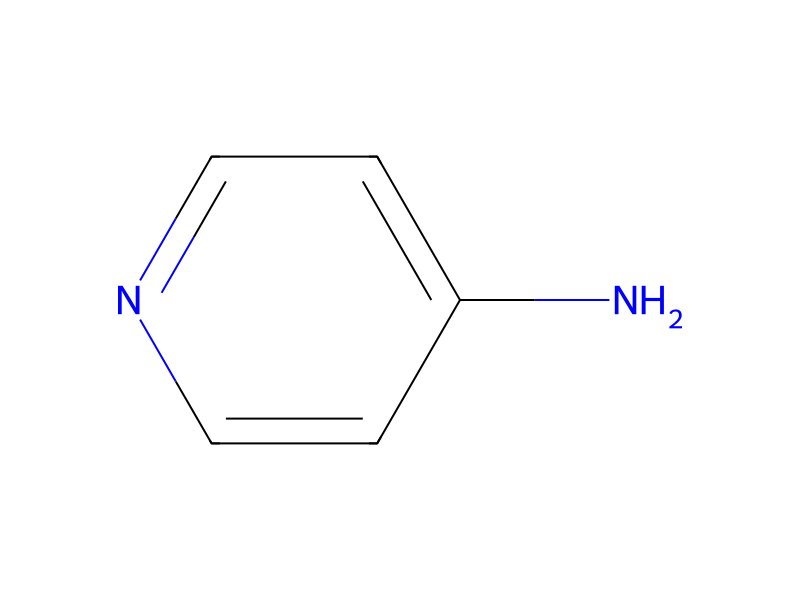
4-Aminopyridine → 4-(2,2,2-Trimethylacetamido)pyridine
Reaction equation

[NH2:1][C:2]1[CH:7]=[CH:6][N:5]=[CH:4][CH:3]=1.[C:8](Cl)(=[O:13])[C:9]([CH3:12])([CH3:11])[CH3:10].C(N(CC)CC)C>ClCCl.O>[CH3:10][C:9]([CH3:12])([CH3:11])[C:8]([NH:1][C:2]1[CH:7]=[CH:6][N:5]=[CH:4][CH:3]=1)=[O:13]Participants
6
Reactant 3


Product 1

Reagents, catalysts & solvents 2


Conditions
- Temperature
- 0 °C
Procedure
A mixture of 4-aminopyridine (10 g, 106 mmol) and pivaloyl chloride (12.9 g, 107 mmol) in 200 mL dichloromethane was cooled to 0° C. and treated slowly with triethylamine (10.9 g, 108 mmol), warmed to room temperature, stirred overnight, and diluted with water. The aqueous layer was extracted three times with dichloromethane and the combined extracts were washed with brine, dried (Na2SO4), filtered, and concentrated. The product was recrystallized from toluene to provide the desired product (14 g, 74%).
Workup
- temperaturewarmed to room temperature
- extractionThe aqueous layer was extracted three times with dichloromethane
- washthe combined extracts were washed with brine
- dry with materialdried (Na2SO4)
- filtrationfiltered
- concentrationconcentrated
- customThe product was recrystallized from toluene
Sources & evidence
- ORD record
- ord-0f939b85dae645c686b2887498bb41c2
- Source dataset
- uspto-grants-2004_12
- Patent number
- US06831175B2
Reaction notes
Loading…