Hydrochloric Acid → 4-Bromo-2'-(carboxymethoxy)-6'-hydroxychalcone
Reaction equation

[OH:1][C:2]1[C:7]([C:8](=[O:10])[CH3:9])=[C:6]([O:11][CH2:12][C:13]([O:15]C)=[O:14])[CH:5]=[CH:4][CH:3]=1.[Br:17][C:18]1[CH:25]=[CH:24][C:21]([CH:22]=O)=[CH:20][CH:19]=1.[OH-].[K+].Cl>C(O)C.O>[Br:17][C:18]1[CH:25]=[CH:24][C:21]([CH:22]=[CH:9][C:8]([C:7]2[C:2]([OH:1])=[CH:3][CH:4]=[CH:5][C:6]=2[O:11][CH2:12][C:13]([OH:15])=[O:14])=[O:10])=[CH:20][CH:19]=1Participants
Reactant 4


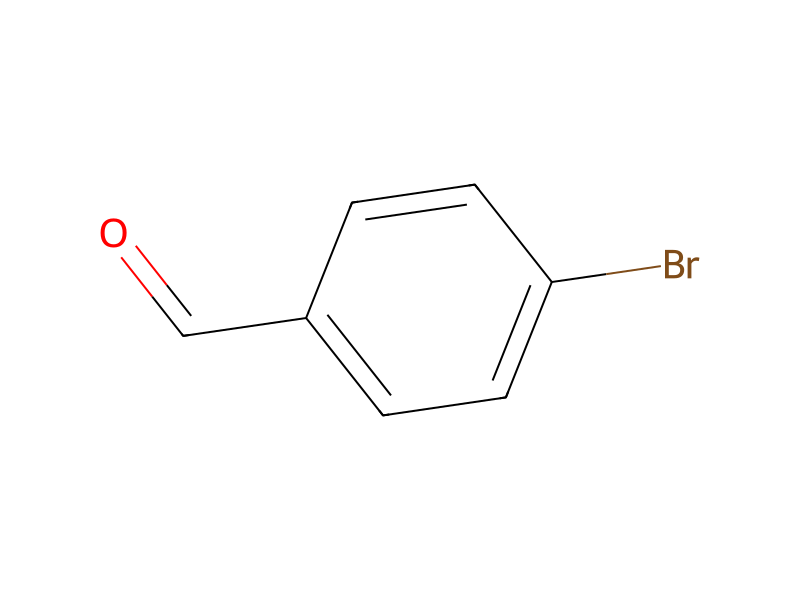

Product 1

Reagents, catalysts & solvents 2


Procedure
To a mixture of 6′-hydroxy-2′-(methoxycarbonylmethoxy)acetophenone (2.24 g) and 4-bromobenzaldehyde (2.78 g) in ethanol (30 mL) were added water (10 mL) and potassium hydroxide (6.73 g), and the mixture was stirred at room temperature overnight. To the reaction mixture was added 2 mol/L hydrochloric acid (70 mL), and the precipitated crystals were collected by filtration. The crystals were washed with water and dried under reduced pressure to give 4-bromo-2′-(carboxymethoxy)-6′-hydroxychalcone (3.77 g). To a suspension of the obtained 4-bromo-2′-(carboxymethoxy)-6′-hydroxychalcone (3.7 g) in benzene (150 mL) were added tris(triphenylphosphine)rhodium(I) chloride (1.82 g) and triethylsilane (6.2 mL), and the mixture was stirred at 70° C. overnight. To the reaction mixture were added 2 mol/L aqueous sodium hydroxide solution and diethyl ether, and the aqueous layer was separated. The aqueous layer was washed with diethyl ether and acidified by addition of concentrated hydrochloric acid, and the mixture was extracted with ethyl acetate. The extract was washed with water and brine, and dried over anhydrous sodium sulfate. The solvent was removed under reduced pressure, and the residue was treated with n-hexane-ethyl acetate. The precipitated crystals were collected by filtration. The crystals were washed with n-hexane and dried under reduced pressure to give 4-bromo-2′-(carboxymethoxy)-6′-hydroxydihydrochalcone (1.1 g). This material was dissolved in acetic acid (4.15 mL). To the solution were added sodium acetate (1.5 g) and acetic anhydride (1.5 mL), and the mixture was stirred at 115° C. overnight. The reaction mixture was poured into water, and the resulting mixture was extracted with ethyl acetate. The extract was washed with water and brine, and dried over anhydrous sodium sulfate. The solvent was removed under reduced pressure, and the residue was dissolved in methanol (10 mL). To the solution was added sodium methoxide (28% methanol solution, 1.5 mL), and the mixture was stirred at room temperature for 1 hour. The reaction mixture was concentrated under reduced pressure. To the residue was added 1 mol/L hydrochloric acid, and the mixture was extracted with ethyl acetate. The extract was washed with water and brine, and dried over anhydrous sodium sulfate. The solvent was removed under reduced pressure, and the residue was purified by column chromatography on silica gel (eluent: n-hexane/ethyl acetate=5/1) to give the title compound (0.85 g).
Workup
- filtrationthe precipitated crystals were collected by filtration
- washThe crystals were washed with water
- customdried under reduced pressure
Sources & evidence
- ORD record
- ord-927e3c824ac14f4aa357e5804c11994f
- Source dataset
- uspto-grants-2009_07
- Patent number
- US07566699B2
Reaction notes
Loading…